


©Text and photos Carole Tyrrell
As you enter the formal gardens at Knebworth, please take a moment to visit the eternally slumbering residents of its pet cemetery which is nearby. Although not signposted it does appear on the Knebworth map.Most stately homes have one if you know where to look and they give another insight into the lives of the owners and the animals who shared their lives however briefly.
However, although Knebworth House has been the home of the Lytton family since the 1400’s it wasn’t until the 19th century that the family’s pets were formally interred in their own private resting place.
There are varying dates as to when the cemetery came into being. Apparently it started in 1825. but the official Knebworth map has it as dating from 1852. The cemetery not only contains the beloved pets of the Bulwer-Lytton family but also those of their tenants. All are equal in the small well tended graveyard.


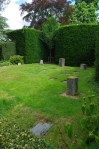
But I’m sure that most visitors don’t notice it. It nestles in front of the yew hedge which is known as the Iron Hedge. Yew is traditionally associated with places of burial and death such as churchyards and there are supposedly many traditions associated with this. It’s also seen as a symbol of everlasting life as yew trees have been known to live for centuries. Most of the epitaphs are laid flat so can easily missed by the casual passer-by but a closer look reveals some marvellous memories.
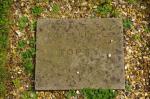
As with other pet cemeteries, it’s the touching epitaphs that I find most interesting as well as the names that owners give their pets.
Beau was Edward Bulwer-Lytton’s cherished pet dog

©Text and photos Carole Tyrrell
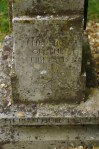
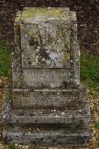
There is a small monument to ‘The first of the Tibetans’, Chumbi and Ruby. It goes onto say that they were both found in the Chumbi Valley in 1929. It also adds, sadly, that Chumbi was ‘Lost on the Great North Road 1929.’ and that Ruby ‘Died at Knebworth in 1929’. There is also an inscription around the base of the monument. It reads ‘May the love they had and gave help them even beyond the grave.’ Short lives but much missed.
© Text and photos Carole Tyrrell

Here is a selection of the epitaphs:
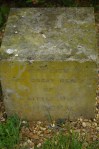


 shadows fly away