
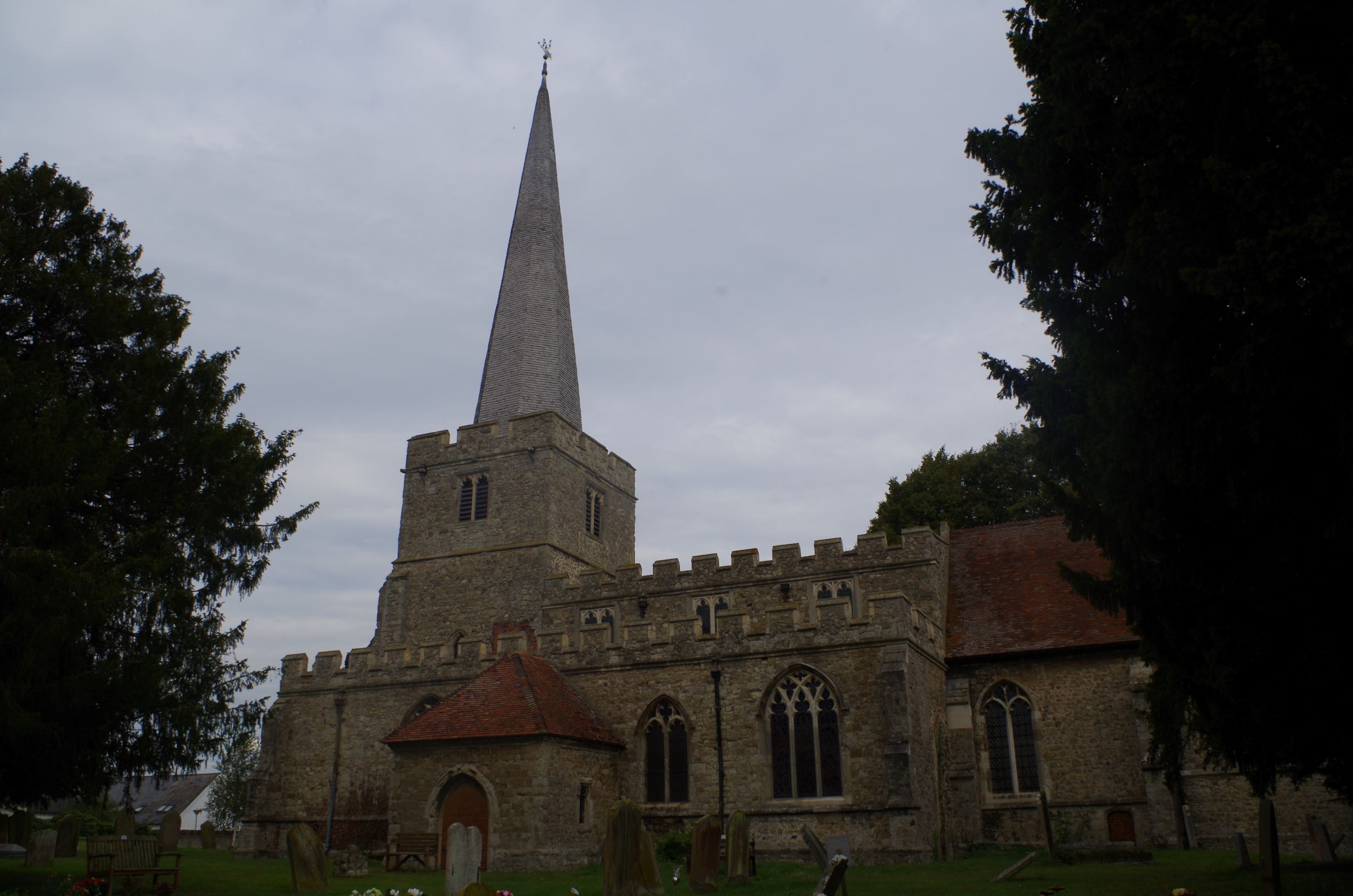
View of St Werbergh, a pity it wasn’t a better day. © Carole Tyrrell
Every September in Medway, Heritage Open Days take place. For a couple of weekends, I could gain access to buildings that are normally closed to the public such as the Rochester Bridge Chapel, almshouses and a synagogue amongst others. Despite Chatham’s somewhat dubious reputation nowadays, it has rich layers of history to be discovered due to its maritime past.
Last year in 2024, I went further afield and visited the Hoo peninsula. This was an area new to me and I wanted to visit St Werburgh’s church. It’s reputed to date back to the 12th century although an earlier church was on the site around 1080-1086 and was recorded in Rochester Cathedral.
I followed a crowd who seemed to be heading in the right direction, some of whom were in costume, but once I saw the church steeple I knew where I was. You can’t miss it – the battlemented tower is 55ft tall but with the steeple it is 127 ft or 38.5 metres in total. There used to be a light within the steeple that guided ships around the peninsula and if you look up you can still see its little wooden door. It seems plausible, after all why else would a recessed door be set into the steeple. The steeple is covered with oak tiles with a weathervane on top. There are 73 steps in the stair turret which give access to the battlemented tower.

View of steeple. © Carole Tyrrell

View of steeple door. © Carole Tyrrell
I’d never heard of the saint before but the guide leaflet has this to say:
‘St Werburgh was an English abbess known and loved for her great kindness and love to all living things. She is associated with geese because when a flock of geese settled in the convent land and were eating the crops, she ordered them into a fenced enclosure as punishment. That night a servant stole one of the geese, cooked and ate it, leaving only the bones.
In the morning St Werburgh set the geese free with a warning not to eat the crops again. Instead of flying away, the geese circled the convent making a great noise. Realising that one goose was missing she had the bones brought to her and restored the goose to life. The whole flock flew away, never to be seen on convent lands again. She was therefore held to have possessed extra-ordinary powers over natural creatures.’
She also has a stained glass window dedicated to her inside the church.

Statue of St Werbergh in church with a goose at her feet. © Carole Tyrrell
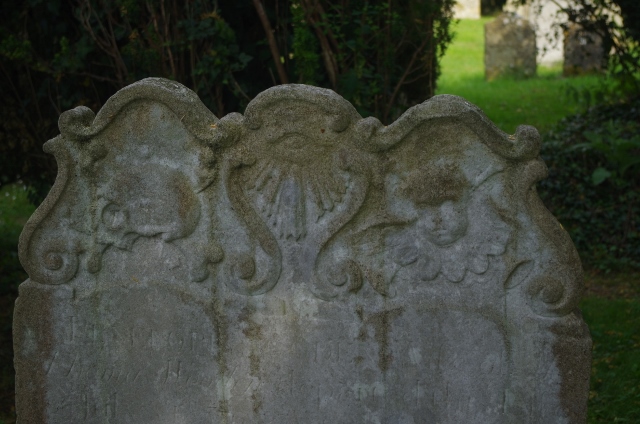
The oldest headstone in the churchyard is dated 1681 and is dedicated to Richard Scott who was a yeoman farmer. He died aged 70 in 1677. There is also a yew tree which is reputed to be 800 years old and the award for the most unusual name has to be a man called ’Time of Day’. who died in 1890. Sadly I didn’t find his headstone on this visit.

The oldest headstone in the churchyard, dedicated to Robert Scott. © Carole Tyrrell
Inside, the church possessed some unusual features. On display was a ledger stone which had been found under the floor and dated to the 12/13th century – the oldest I’ve seen. Two 14th and 15th vicars are also commemorated by memorial brasses. There are also two Royal Coats of Arms from the 17th century and a Norman font.

Medieval ledger stone. © Carole Tyrrell
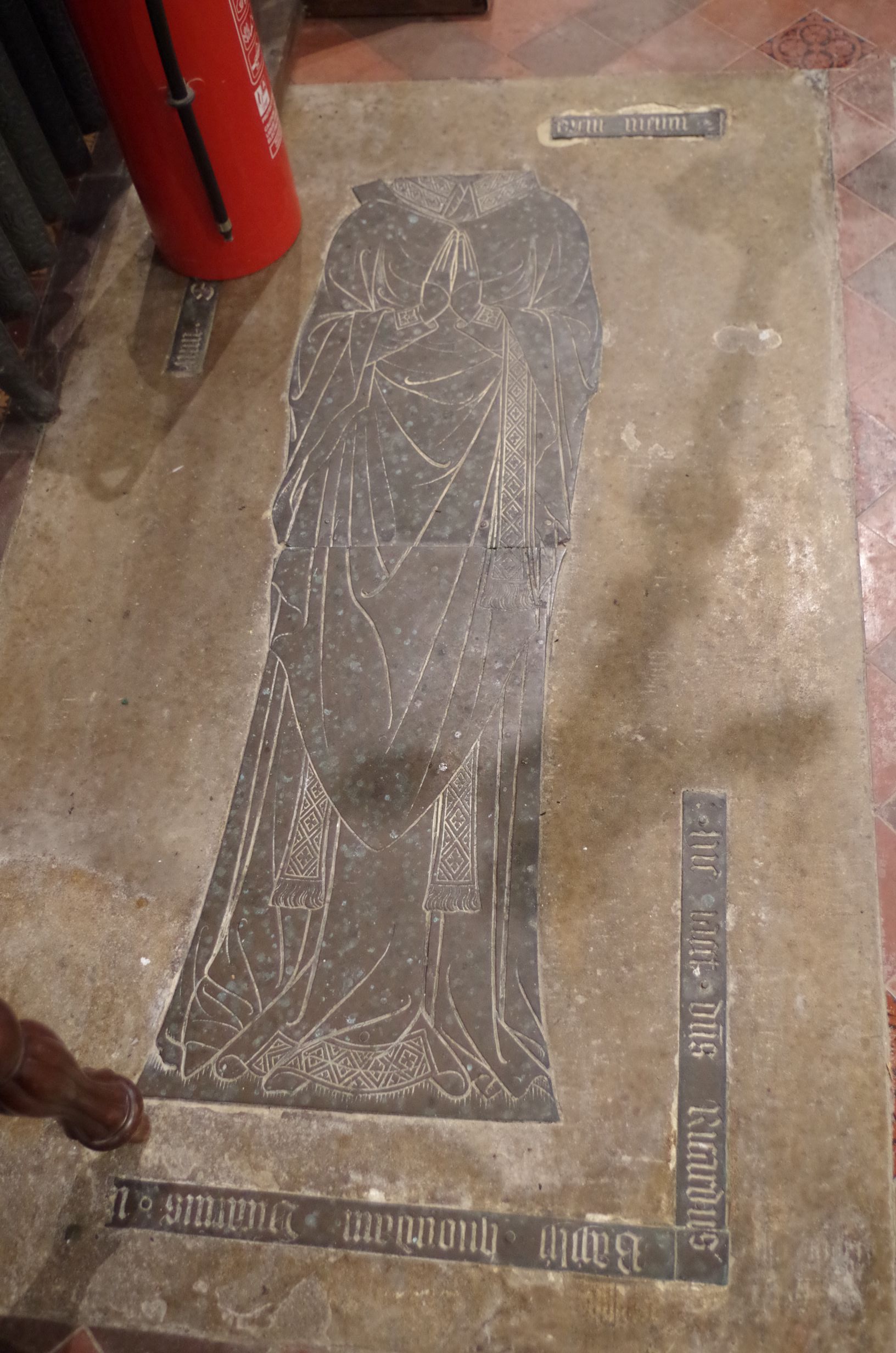
Memorial brass to a former rector with a missing head.© Carole Tyrrell
Indoor refreshments were in full swing and I enjoyed a cuppa while exploring. There were local history stalls which is how I discovered the 200 year old unsolved murder. When I came outside again, a ceremony was taking place and the reason for people being in costume was revealed. It was the 200th anniversary of the birth of Thomas Aveling, a local man who designed machines that didn’t require horsepower. Two men were there in Victorian dress from the Thomas Aveling Society. They were joined by children in costume and national treasure, Jools Holland OBE, in his capacity as Deputy Lieutenant of Kent – Medway.
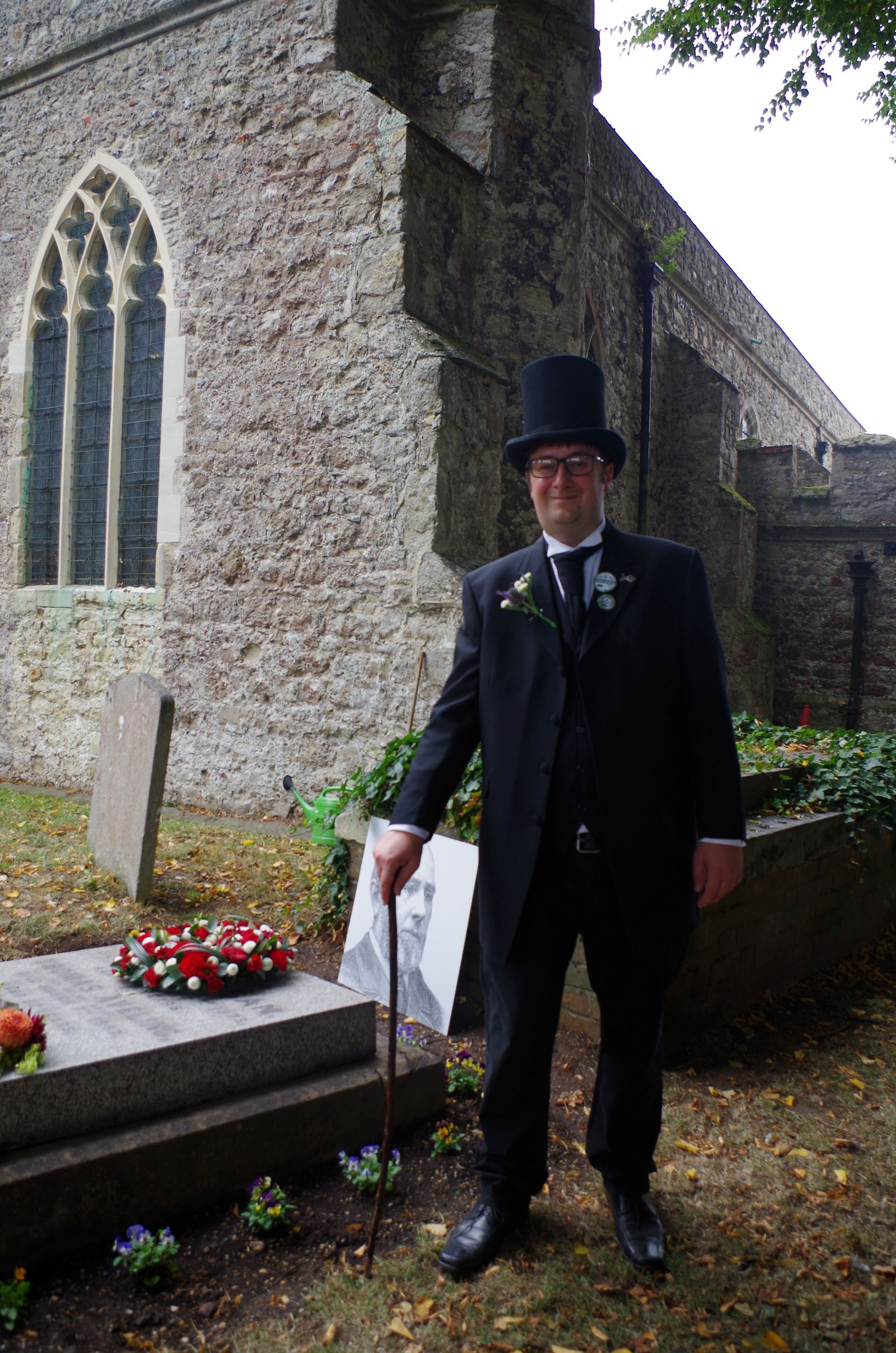
Member of Thomas Aveling society in Victorian dress by Aveling’s grave.© Carole Tyrrell
Thomas Aveling – a brief history

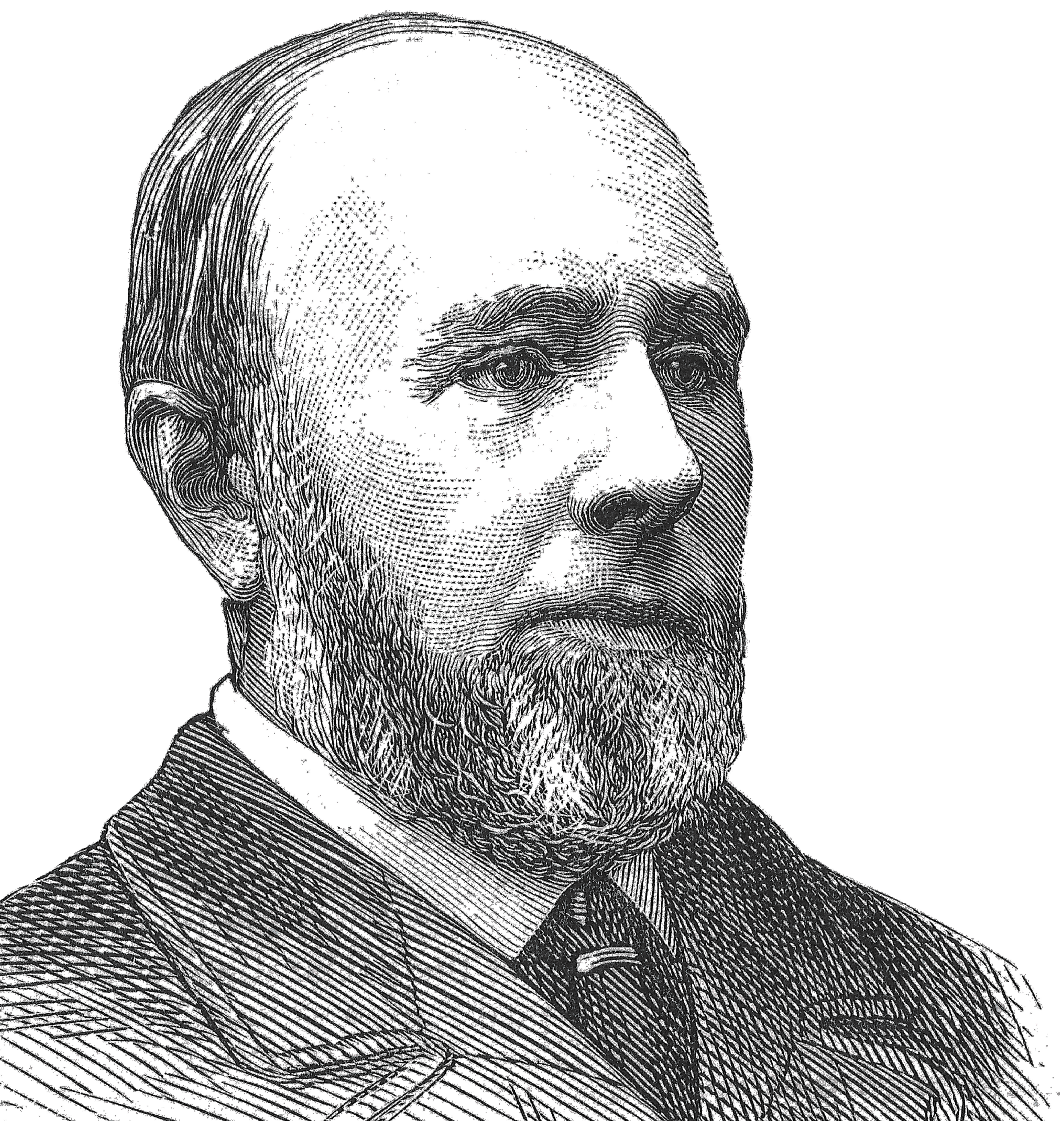
Thomas Aveling. Shared under Wiki Creative Commons
Although he was born in Cambridgeshire in 1824, Thomas moved to Hoo when his widowed mother married the Rev John D’Urban, the curate of St Werbergh. He was apprenticed to a farmer, Edward Lake, and became one himself. But he had dreams of creating machines that could be powered by other means than horsepower. In addition to the farm he also operated a small millwrighting and iron foundry business. Thomas was a talented and determined man and in 1856, in partnership with two other companies, he introduced a steam plough which was incredibly successful. Two years later, in recognition of his achievement, he was awarded ‘a piece of plate’ and a purse containing 300 guineas by Kent farmers. But there was more to come.
He formed a partnership with Richard Porter in 1862. It was very successful and they sold their products worldwide. But, like most restless, energetic and talented Victorian entrepreneurs, Thomas was onto his next project. One that is still in use today. One that helped create roads the world over including the ones in New York’s Central Park – the steam roller! Virtually unchanged since its creation.
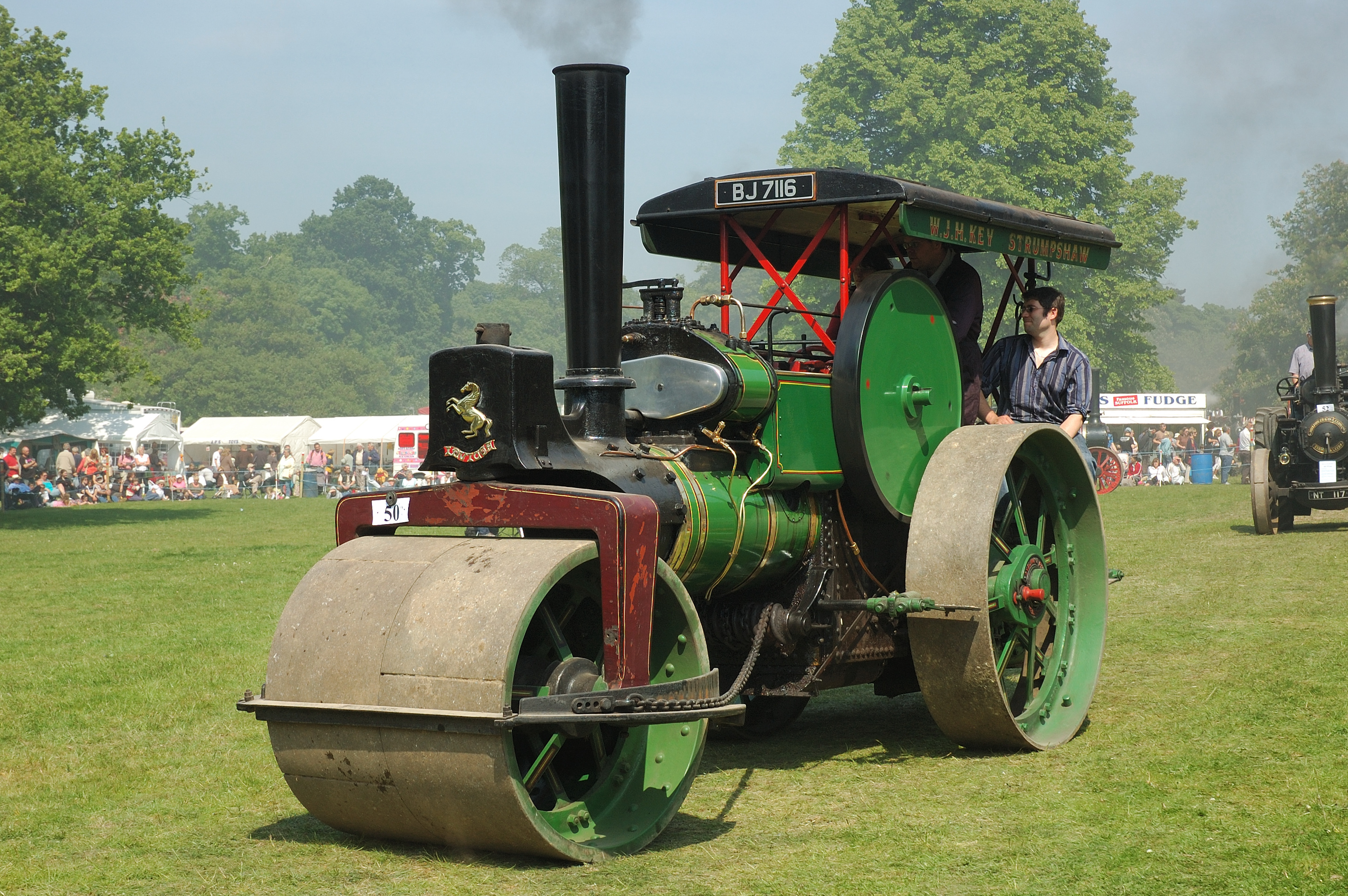
An Aveline/Porter steamroller.
Honours for his invention came thick and fast. Thomas was knighted by the Austrian Emperor after showing it at Vienna’s Universal Exhibition and the French Government awarded him the Chevalier of the National Order of the Legion of Honour.
Thomas was also the Mayor of Rochester and introduced many improvements to the town which sadly no longer exist. He also represented Strood and Frindsbury on the City of Rochester Corporation.
In addition, he was also an enthusiastic yachtsman and it is believed that he may have caught a chill which developed into pneumonia whilst on his 28 ton Yacht, ‘Sally’ at the end of February 1882. On 7 March 1882 he died at the age of 58. The funeral took place on 11 March 1882 and crowds lined the streets from his home at Boley Hill House in Rochester to St Werburgh’s church – a distance of 4.6 miles. The funeral procession began with 39 carriages which increased to 54 and his coffin was covered with beautiful wreaths not unlike the ones on his grave for his 200th birthday. He is buried with his mother, Sarah, his wife Sarah and his son Thomas. Two stained glass windows in the church commemorate him. There is also a secondary school in Chatham named after him and the road names on a housing estate in Hoo are associated with him.
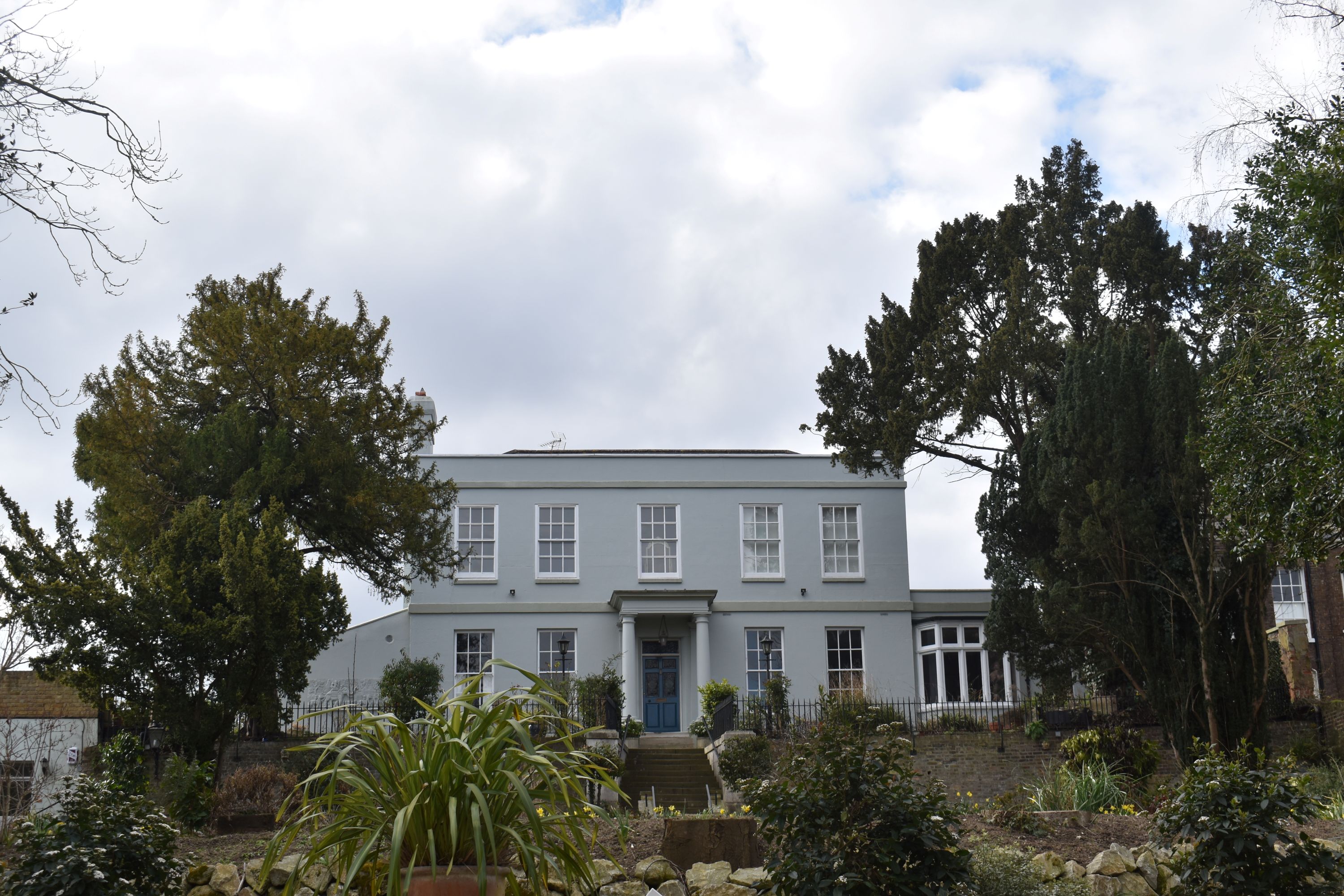
Boley Hill House, Thomas Aveling’s home in Rochester as it is today. © Carole Tyrrell
For a fuller account of Thomas’s life and achievements please visit the Thomas Aveling Society’s website: https://www.thomasavelingsociety.co.uk
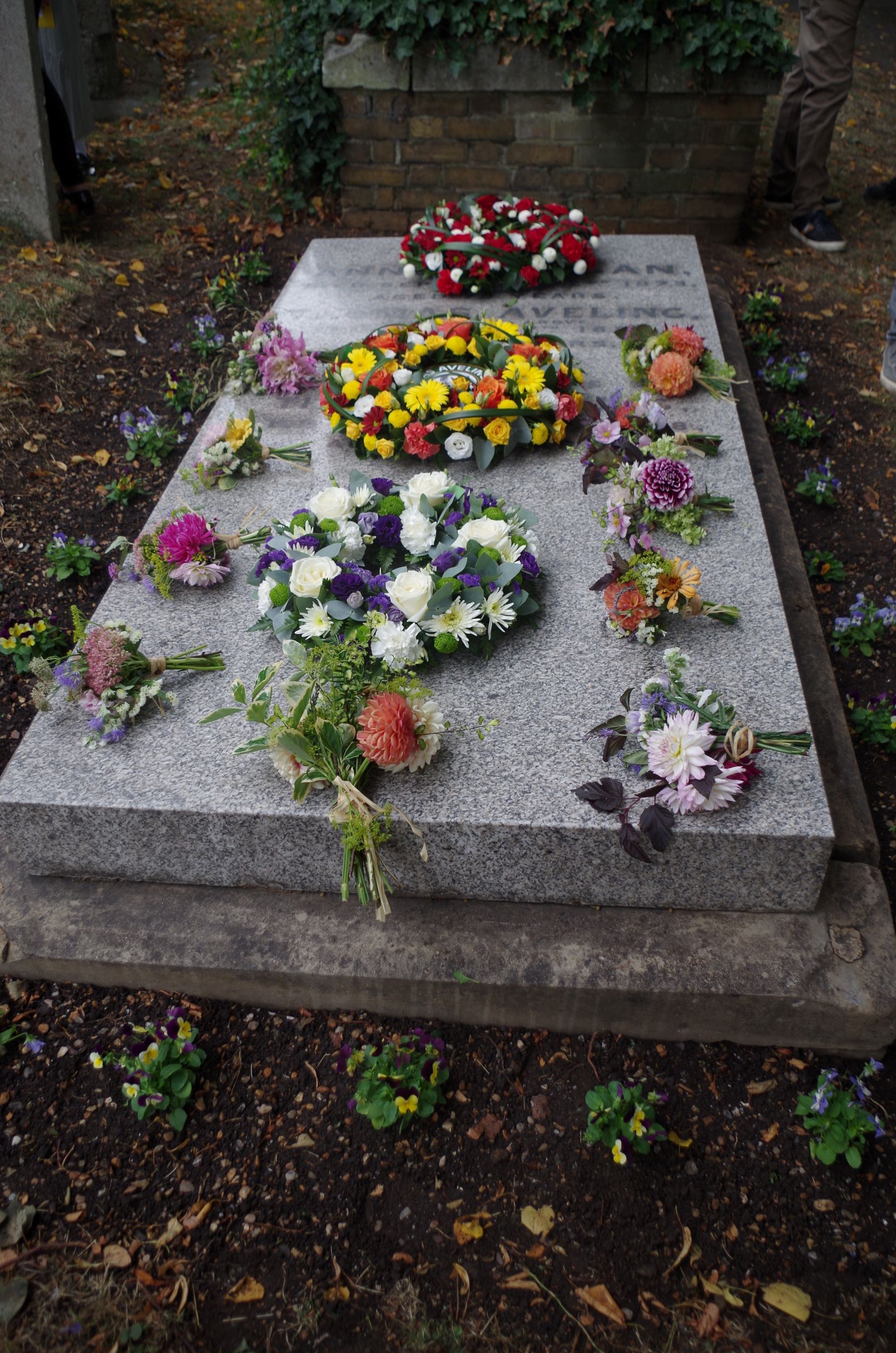
Thomas Aveling’s grave covered with birthday wreaths. © Carole Tyrrell
But very near Thomas Aveling’s grave is one that is determined that the person which it commemorates and the way in which he died will never be forgotten.
©Text and photos Carole Tyrrell unless otherwise stated.
Part 2 The 200 year old unsolved murder of William White, possible suspects and an amateur clerical sleuth.



 shadows fly away