Loren Rhoads is a US based committed taphophile or cemetery enthusiast, and has written several brilliant, informative books on cemeteries, in the US and further afield. These include:
199 Cemeteries to see before you die
222 Cemeteries to see before you die
Wish you Were Here: Adventures in Cemetery Travel
Death’s Garden Revisited, Personal Relationships with Cemeteries
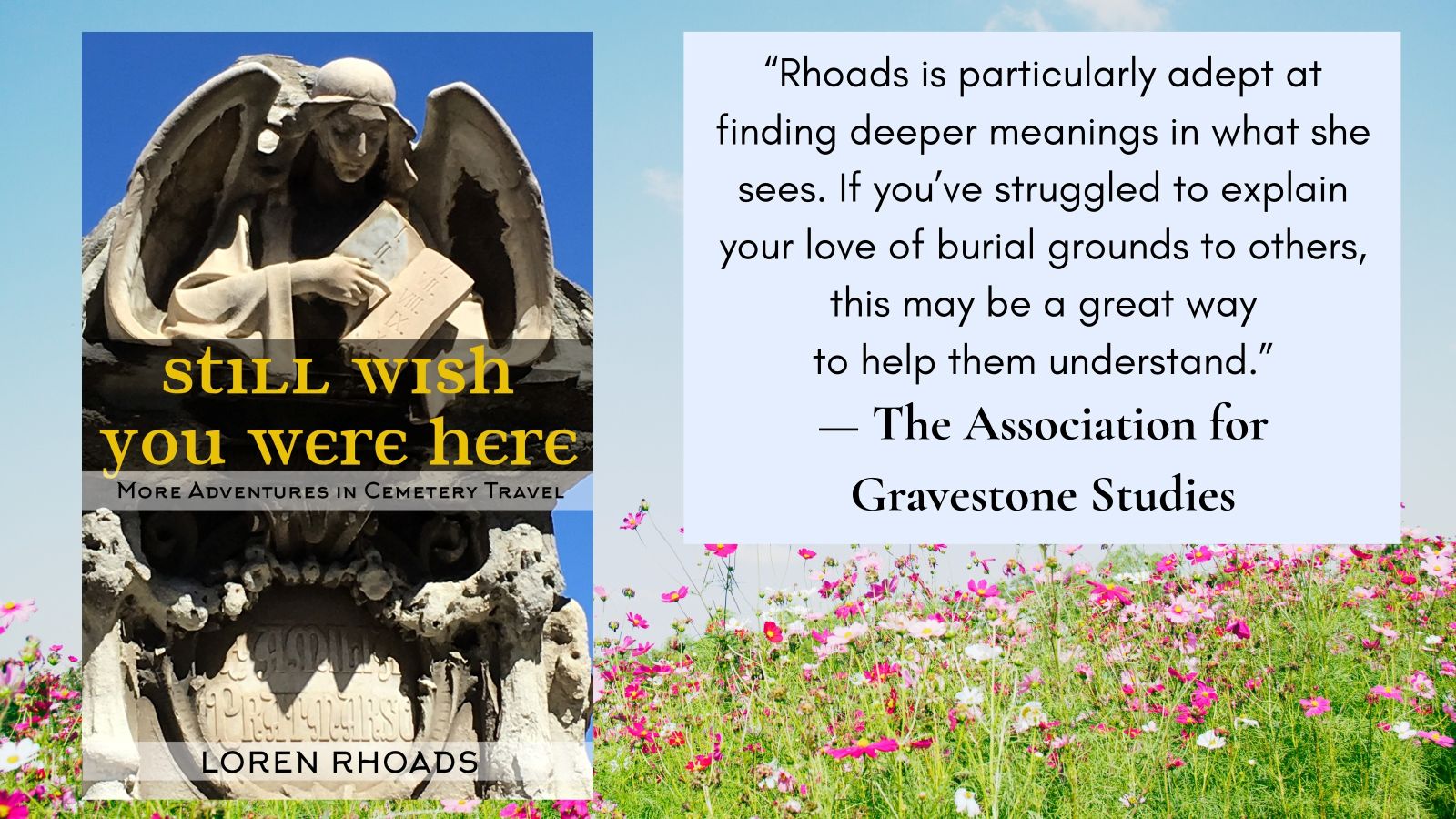
She is an absolute doyenne in the taphophile world and Loren’s latest, ‘Still Wish you Were Here: More Adventures in Cemetery Travel’ is being crowdfunded on Kickstarter. The backing has already exceeded the requested amount which means that Loren can achieve even more with her book.
In her accompanying video Loren describes ‘Still Wish You Were Here’ as being:
‘part travel memoir, part cemetery history with 36 graveyard travel essays written for various organisations and publications.’
She visited 50 burial sites from Michigan, to London, Singapore, Barcelona, Tokyo and more and has confessed to ‘absolutely loving cemeteries and their stories.’ She finds cemeteries as inspiring as I do . Check out her video at:
I was one of the people who were invited to take part in ‘Death’s Garden Revisited: Personal Relationships with Cemeteries’ which was also successfully funded on Kickstarter. It was a fabulous looking book and I was proud to be part of it and to read other essays by fellow taphophiles. So, I have every faith in Loren creating another terrific book on cemeteries and have backed it myself! But don’t take my word for it – this is what the Association for Gravestone Studies have said:
Every little helps and there are several ‘rewards’ for different levels of backing including a cemetery party! So please, if you are a fellow taphophile and are able to , please consider supporting Loren’s book – if anyone can do it she can!
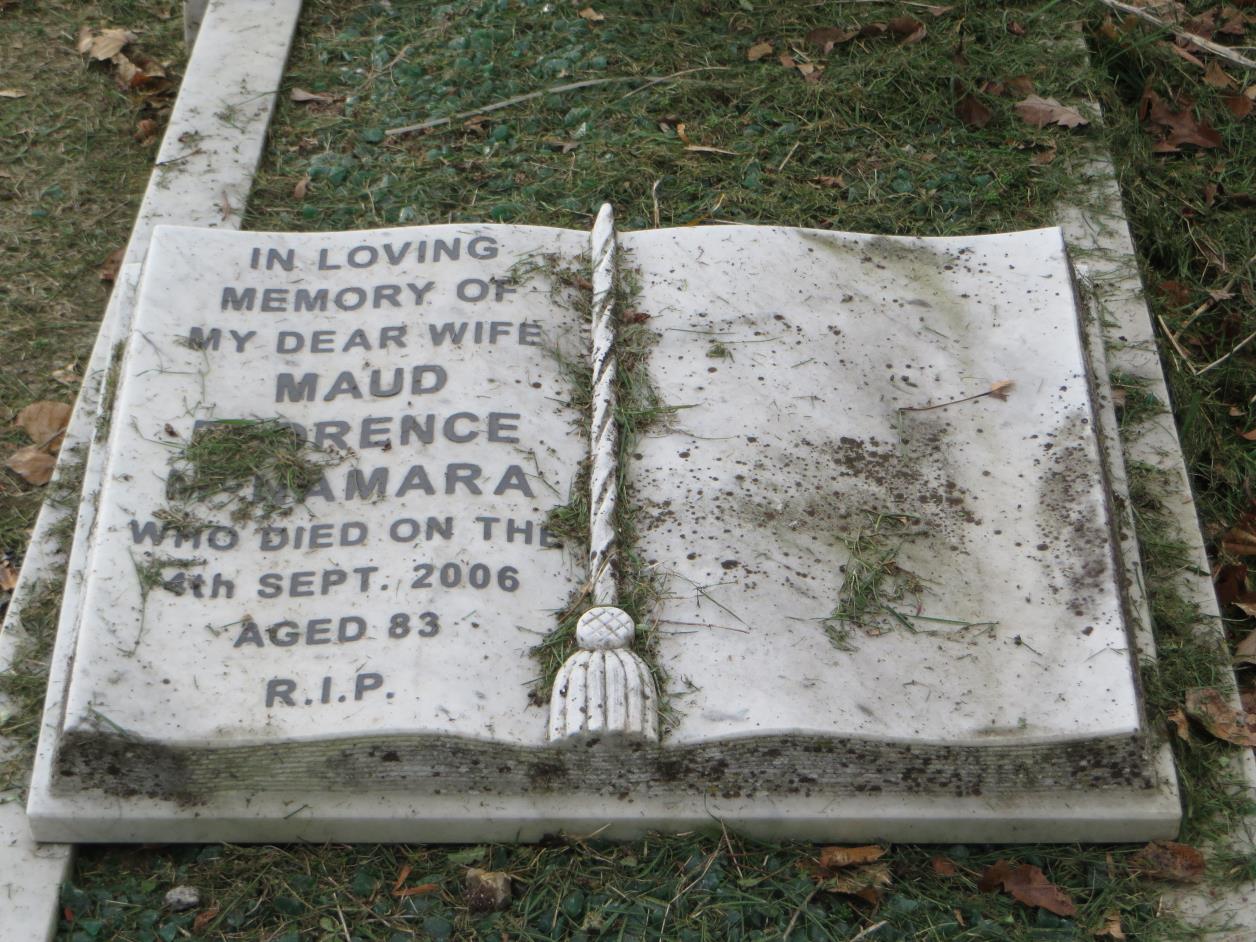
Sometimes a wander through a cemetery can make you feel as if you’re in a heavenly library due to the number of open books reverently laid on top of graves. They’re usually made from stone or granite, inscribed with the name and dates of the deceased and often a decorative carved book marker complete with tassel keeping the pages open. In this example, a downwardly pointing finger indicates the large open book.
On first appearance the open book can seem a very simple and obvious symbol and it’s used in place of a more formal headstone. But, as with other symbols, it can have alternative meanings.
The 3 dimensional version that is carved to simulate a real book is a 19th century innovation. Prior to this it was rendered in a 2 dimensional, flat form and can be found on 18th century tombstones as part of an overall design or epitaph.
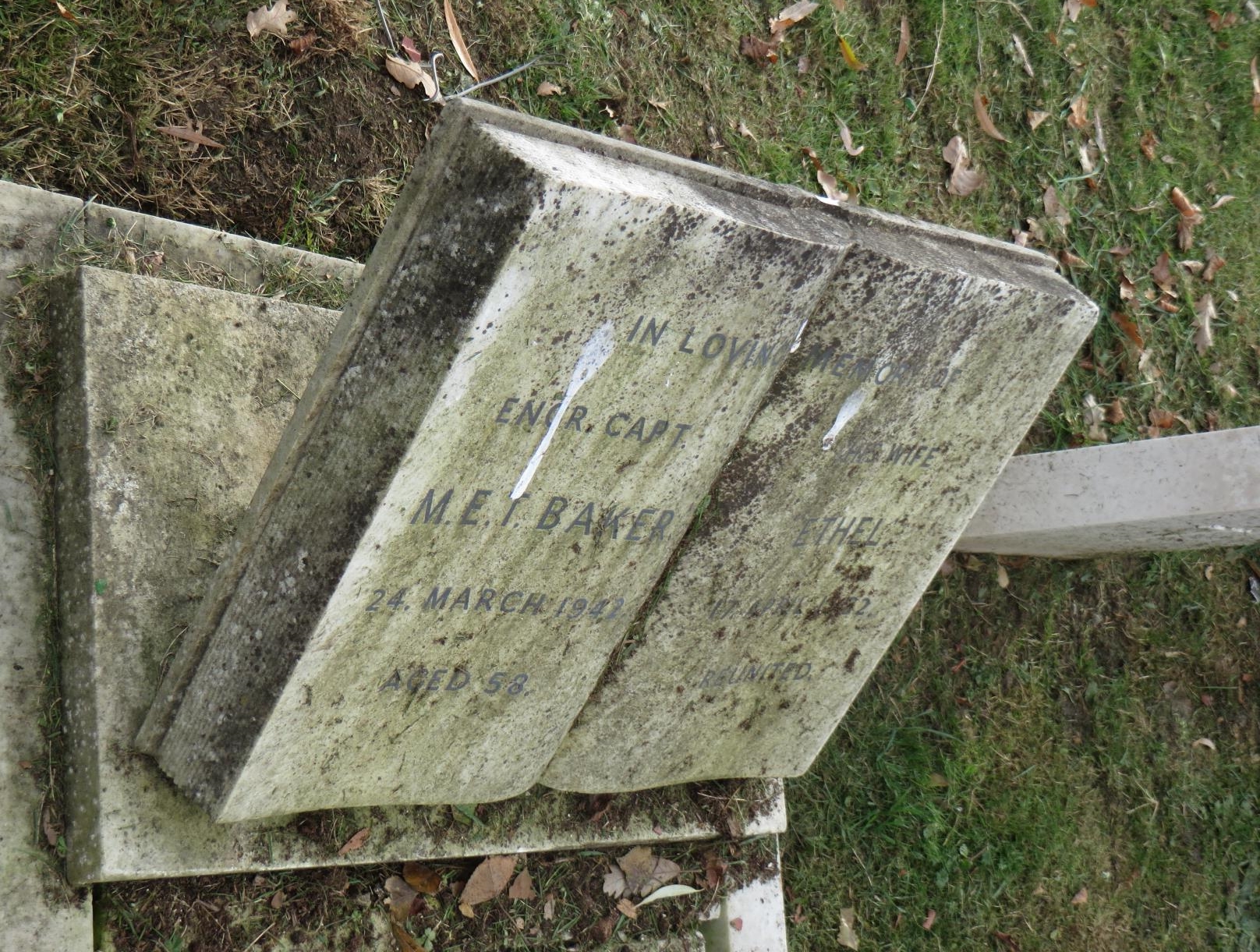
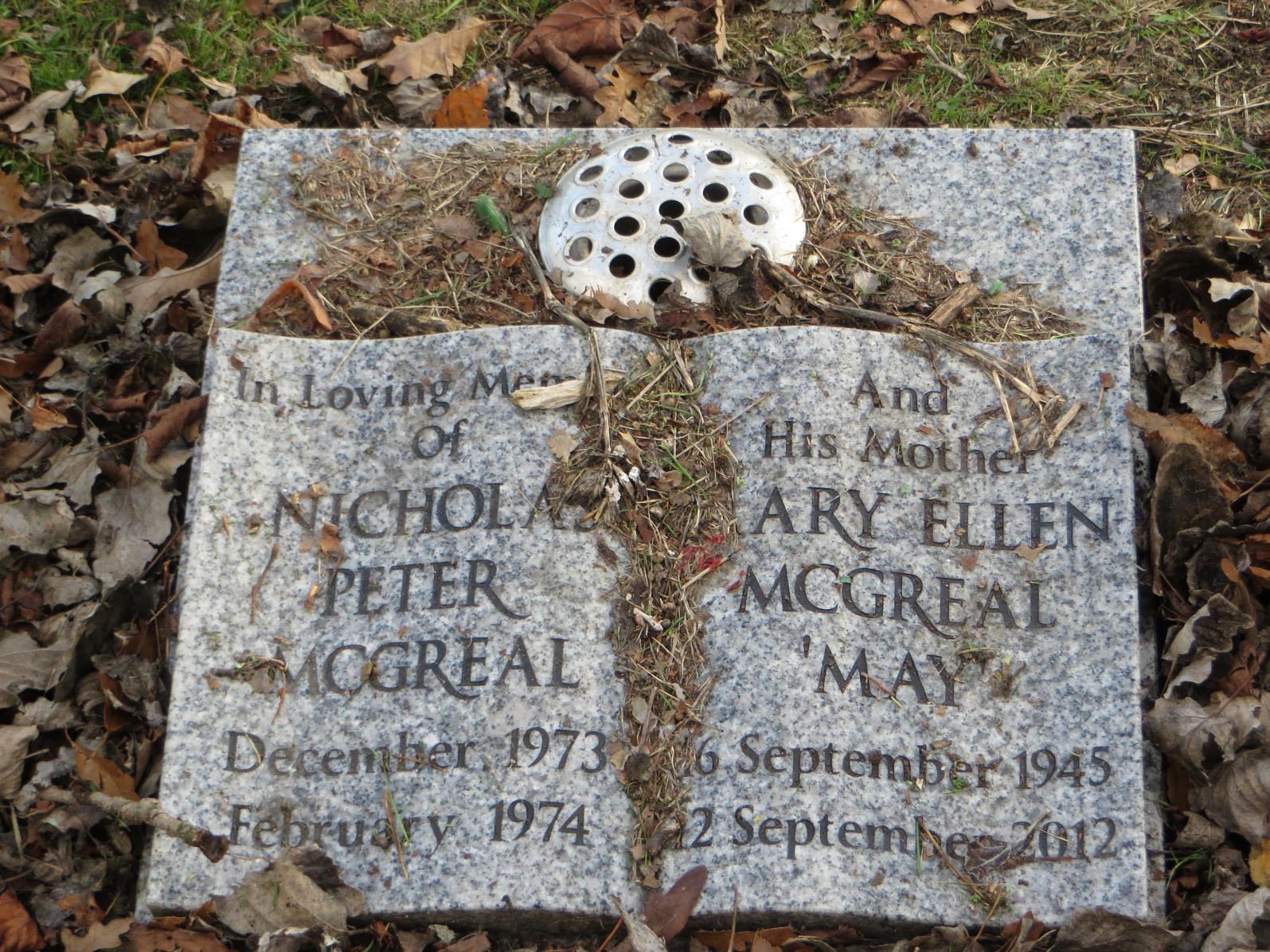
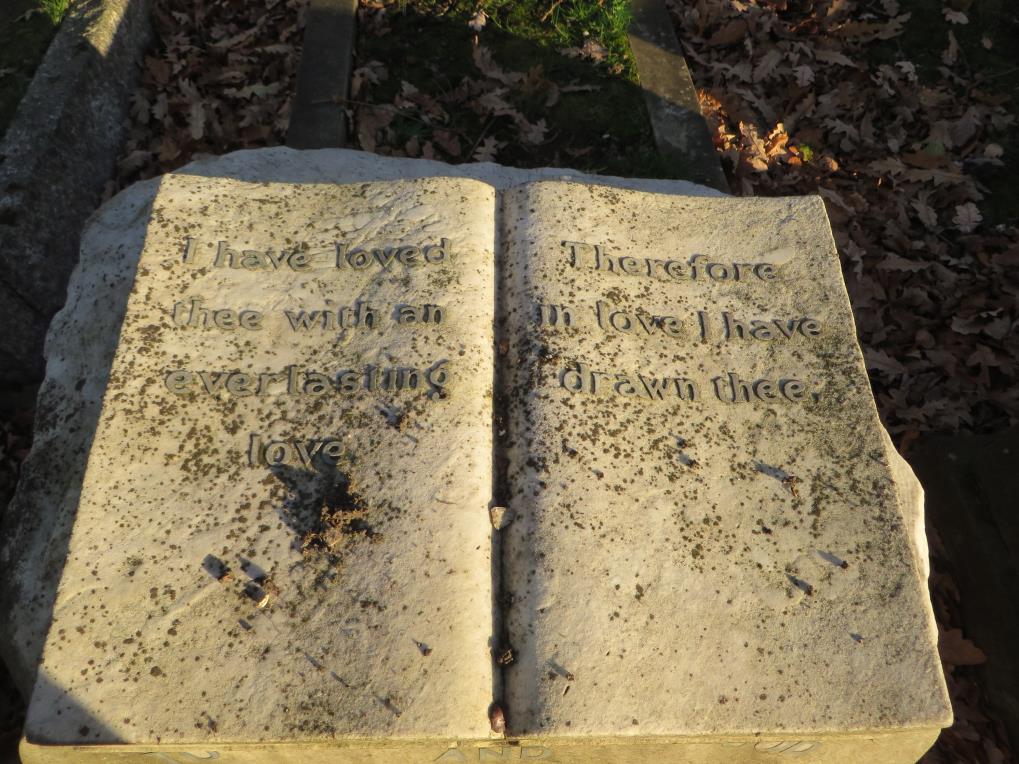
The open book can almost resemble a visitors book with the deceased’s details inscribed on it as if they were signing in or checking out for eternity and sometimes one page is left blank for perhaps the partner who will follow. On a recent stroll through Beckenham cemetery I came across several variations:
For example, there was one with both pages blank which could indicate that the inscription has worn off or that they were ready to be written for eternity. The latter echoes the well-known phrase ‘he or she can be read like an open book’ and the empty pages can indicate that this is how they want to be judged on the Day of Judgement. This references the quotation from the Book of Revelation 20:11-15:
‘And I saw the dead, small and great, stand before God; and the books were opened: and another book was opened, which is the book of life: and the dead were judged out of those things which were written in the books, according to their works.’ King James Bible
This is also why the open book is also known as the Book of Life as it contains everything that the deceased has done throughout their life and for which they will now be accountable. Christ is often depicted carrying a book. J C Cooper also sees it as the Book of Life and adds that it can also represent
‘….learning and the spirit of wisdom, revelation and …wisdom.’
‘The LORD hath appeared of old unto me, saying, Yea, I have loved thee with an everlasting love: therefore with loving kindness have I drawn thee.’ Jeremiah 31.3 King James Bible
This makes the symbol almost resemble a Bible. Other suggestions are that it can indicate the grave of a writer, publisher or even more obviously a clergyman.
It can also suggest that a chapter of life has ended or closed and a variant is the closed book. I found this one in West Norwood cemetery and it clearly indicates a life that has ended with the final chapter now written.
So the open book has made me think about how my book of life would look on my last resting place. I’m determined to make sure that it’s a good read for any passing visitor.







 shadows fly away