This summer I was out walking with a friend along the sea wall to Minnis Bay when we saw this little roadside shrine. It was on a popular route which is used by walkers and cyclists alike. On one side is the pebbly beach and on the other are marshes that stretch down to the railway line. It was touching to see that people, friends or perhaps fellow passers-by, had left little tributes of a bunch of flowers and stones.
The placing of stones on graves is something that I’ve always associated with the Jewish faith (see blog post ‘Silently slumbering for remembrance Part 1 dated 14 April 2016). If you have ever visited a Jewish cemetery then you will have noticed stones placed on top of graves and headstones and there may be a basket of stones available for this purpose. But over the last few years I have noticed them being placed on the graves of people who aren’t Jewish and I was intrigued by their possible meaning.
In the Jewish faith, it is believed that the placing of stones ‘keeps the soul down.’ This comes from the Talmud
‘which is the central text of rabbinical Judaism and is the primary source of Jewish religious law and theology’ Wikipedia
In the Talmud, it is stated that:
‘souls continue to dwell for a while in the graves in which they are placed. The grave was called a beit olam or a permanent home and was thought to retain some aspects of the departed soul. By placing stones, it becomes a way of the living helping the dead to ‘stay put’.
This may have brought comfort to those visiting the grave in that they may feel that their loved ones are still near.The Hebrew word for pebble is ‘tz’ror’ which can also mean ‘bond’. The placing of stones was also a mark of respect and a way of showing that someone had visited.
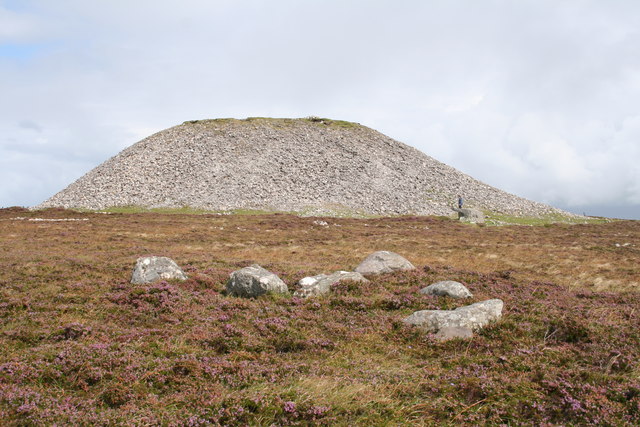
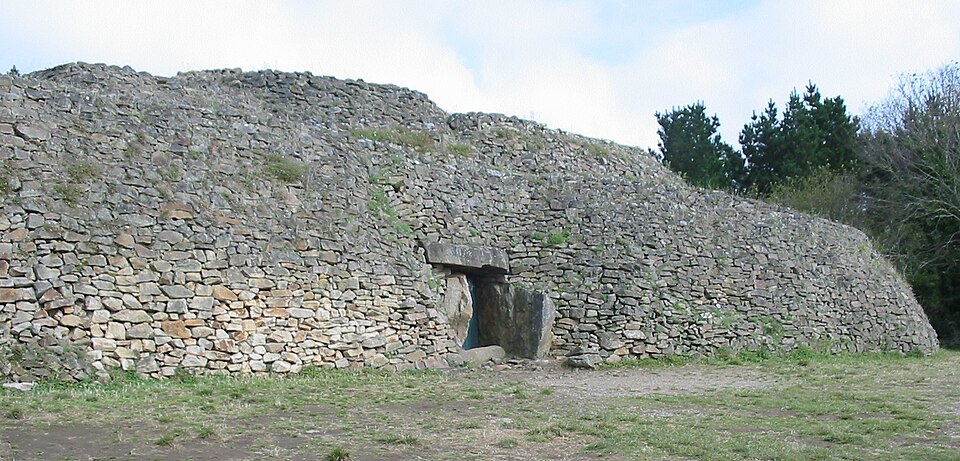
Stones were used because of their durability. The Ancient Greeks believed that using stones to mark graves would ward off evil spirits and they also symbolised the soul’s eternal nature as they didn’t change over time. They associated them with the god, Hermes. However, stones and their associations with burials have been known to many ancient cultures especially Ireland, Scandinavia North Africa, the Middle East and Asia amongst others where they used them to mark sacred territories where communities would gather to honour their dead. Also the Neolithic and Bronze periods in Europe in particular. Stones were used to create cairns. These are usually placed on top of graves as markers and to protect the dead from predators. In the Bronze Age they may have believed that the stones would stop the dead from rising as in the Jewish faith. Some of these still stand. The word ‘cairn’ comes from the Irish ‘carn’ with the plural being ‘cairn’ . In Scottish Gaelic ‘càrn’ translates to ‘heap of stones.’
They were also seen as a method of defence in that it would ward off predators from the burial site.
However, more recently, there has been controversy regarding the building of cairns on certain sites. This is due to the environmental damage that they can cause. Both the Hawaiian Volcano Observatory and the US National Park Service have complained about visitors prying off pieces from important geological features to make them as well as interfering with existing cairns and the destruction of important trail markers. In the Peak District one man has made his mission to kick down the dozens of stacks that he finds. BBC News reported that:
‘Many have been created by taking stones from an old wall which may have damaged the habitats of the small creatures that live inside the wall and may have long term effects according to the National Trust who will also disassemble any stacks.
The stacks are seen as :
…. not to mark any burial sites or act as markers but just create unnecessary stacks for aesthetic purposes forgetting their original purpose as wayfinding tools and symbols rather than decorations.’
The stones that have been left behind on the little seawall shrine, have presumably, come from the beach below and are a poignant symbol of remembrance signifying that the departed has been visited. The stones emphasise the enduring nature of memory and ite sbaility to enable the departed to live on. He is not forgotten by those who knew him and he died at one of his favourite places. RIP.
It’s often on a winter’s night, just as dusk begins to fall and the lamp lights in St Georges churchyard come up, that the fine selection of 18th century tombstones are at their best. Carved skulls leer at you, an hourglass emphasises time passing and the gravedigger’s tools stand ready for the next interment. And perhaps there is still a phantom schoolteacher using his sculpted globe to teach geography to his spectral students.
There has been a church on this site since the 14th century and, in one place in the graveyard the number of burials over the centuries has made the ground rise up on both sides. But, as well as 18th century examples of funerary symbolism, there are also some wonderful 19th century ones as well. Inside the church there’s also a good selection of impressive wall monuments dedicated to prominent local families dating back to the 1600’s. They are buried in the vaults beneath the church. St George’s also has the country’s oldest lych gate in that the current one incorporates elements from a far older one. The churchyard is a pretty one for a short walk through to the bustling High Street especially when the spring flowers begin to appear, carpeting the grass between the stones with bluebells and flitting butterflies.
However for this month’s Symbols post I will concentrate on the 18th century memorials within the churchyard. These tombstones are topped with classic memento mori symbols. This is Latin for ‘remember (that you have) to die.’ They are the visual accompaniment to the immortal epitaph from Dundee’s Howff graveyard:
‘Remember Man as you pass by
As you are now so once was I
As I am now so must you be
Remember man that you must die.’
Graveyard symbolism, according to Douglas Keister, began when the well to do could no longer be buried with in their local church due to lack of space. Instead, they took up their eternal residence in the newly consecrated burial grounds outside and surrounding the church walls. These were often known as ’God’s Acres’ and gave the wealthy the opportunity to erect a lasting memorial or tombstone in their memory.
St George’s churchyard became the last resting place of prominent local families, some of whose descendants still live in the area. The oldest tombstone dates from 1668 and the 18th century ones are nearest to the church walls which in effect meant that they were ‘Nearer my God to Thee.’
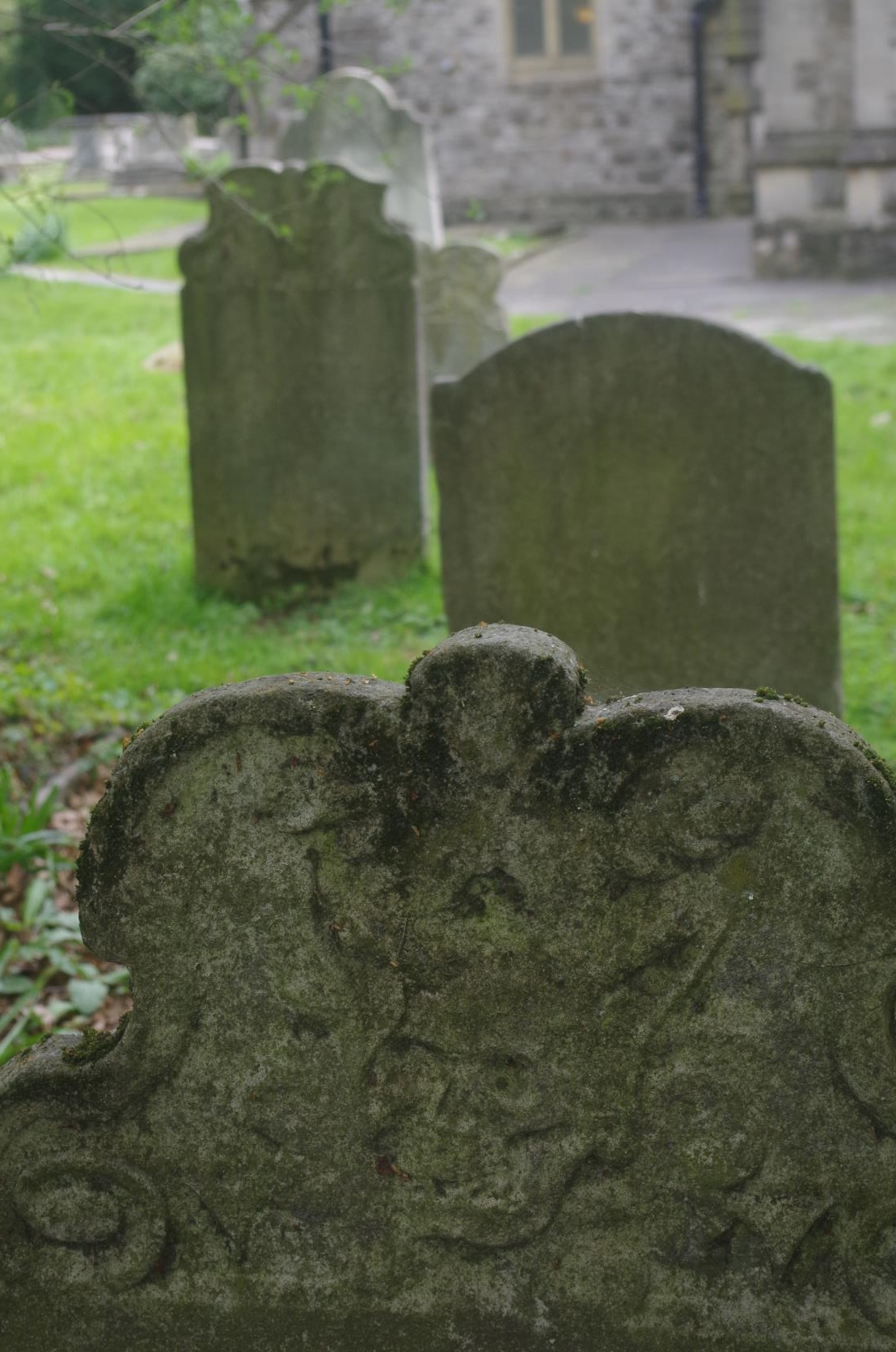
I’ve always enjoyed walking through the churchyard as it can feel like walking through a gallery of funerary symbols. There’s something very exuberant about these 18th Century motifs of mortality even though some have eroded and only one epitaph is still fully readable. However, the skull and crossbones, the Death’s Heads and others have, in several cases, lasted better than the epitaph below them.
The skull and crossbones are an effective, if macabre, reminder of what is left of a body after it decomposes and there are several good examples in St Georges.
This one is near the church entrance and features a skull and crossbones with what appear to be protruding palm fronds. It also seesm to be resting on something whch may be a shield. All that can now be read on the epitaph is…who dep….’
Nearby is another skull and crossbones with a winged hourglass above it. This is a reminder that ‘Time flies’ or ‘Tempus Fugit’ and that the onlooker will soon be bones and dust. So it’s important to make the most of their time on earth. On the left hand side is a pick and shovel. These are a sexton’s tools which made me wonder if this was a sexton’s grave but the epitaph is now illegible. The sexton’s role not only encompassed maintaining and looking after the church but also the churchyard. In larger graveyards the sexton would have been more of a manager but in smaller ones he would have had sole responsibility for preparing the ground, digging and closing the grave, mowing the lawn and also maintaining the lawn and paths.
Skulls also feature prominently on two other tombstones on the other side of the church very near the wall. One seems to have a very sharp pair of horns and a definite smirk. On each side of it there appear to be small trumpets but it’s too weathered to see if anyone’s blowing them. Maybe he’s keenly anticipating the Last Day of Judgement.
Nearby is a large tombstone with what seem to be two somersaulting skulls on them although one is more eroded than the other. Below them is a small worn hourglass. I believe that these two examples of skulls may be unique to St Georges as I’ve haven’t yet seen them anywhere else.
Douglas Keister has suggested that the skull and crossbones slowly began to be replaced by the much less stark and macabre ‘Death’s Head.’ This is a human face with wings on either side of it. I’ve always known it as the ‘winged cherub’ and there are also several good examples within the churchyard. These are symbols of resurrection intended to give those left behind some hope.
I am also a huge fan of calligraphy having studied it for two years at evening classes and it has undergone a revival on late 20th and early 21st century tombstones. However 18th century calligraphy has a style all of its own and is instantly recognisable. The only legible 18th century epitaph in St Georges is the one dedicated to a John Saxby. It reads:
‘Here lyeth the body of John Saxby of the Parish who Departed this life…year of May 1731 aged 41 years.’
A fine example of a Death’s Head is on top with an open book beside it which may be the Bible or the Book of Life and there’s a stylised flower on the other side. The open book may be a depiction of the incumbent offering their life to God for judgement as an ‘open book’. People are sometimes described as an ‘open book’ as they have their feelings and thoughts open to the world with no attempt to hide them.
On another memorial two small faces, presumably from the angelic host, peer out from either side of the clouds surrounding a crown. It’s a representation of the reward that awaits the faithful in heaven. This verse from the Bible refers to it:
James 1:12 New International Version (NIV)
‘Blessed is the one who perseveres under trial because, having stood the test, that person will receive the crown of life that the Lord has promised to those who love him. ‘
A plump faced death’s head is surrounded by another open book and what I think maybe a small skull in the far corner of the stone.
But one of the most unique and impressive tombstones in St George’s, or perhaps anywhere, is that of John Kay. He was an 18th century schoolmaster and his life and talents are recorded by the tools of his trade that have been carved on his stone. There’s a globe on a stand, a trumpet, what appears to be a cornet, an artists palette, a pair of compasses and other items which are now too indistinct to read. He was obviously very erudite and much appreciated by his students. Sadly his fulsome epitaph is now virtually unreadable. He lies near Mr Saxby under a spreading yew tree.
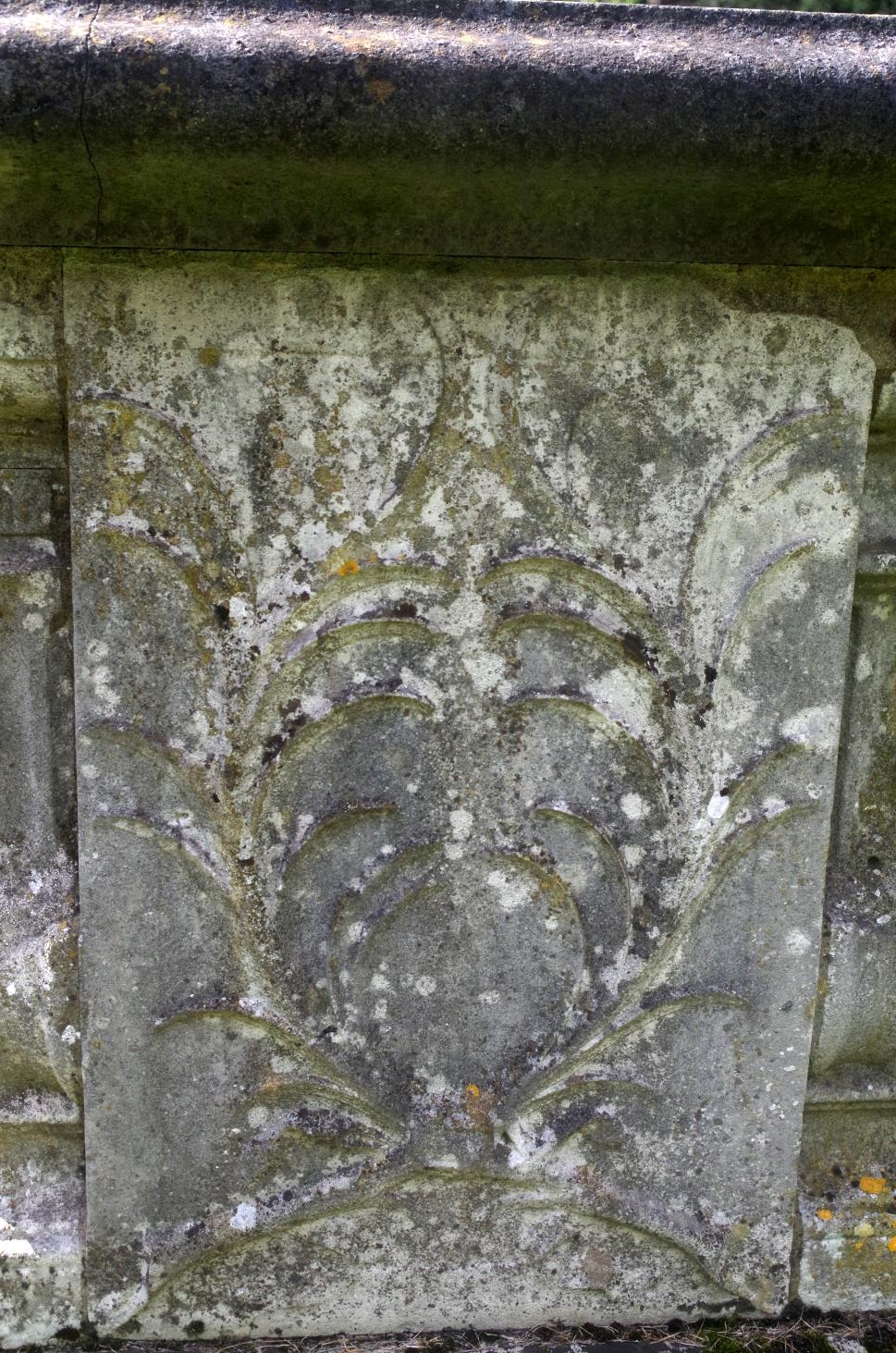
On the other side of the graveyard is a large chest tomb. There is a dedication and an armorial on its top and I feel that some patient research in St George’s burial registers may reveal the incumbent’s identity. There are blank cartouches on each side with death’s heads on top and two skulls beneath each one. At one end are palm fronds which are a Roman symbol of victory which were then adapted by the Christians as a martyr’s triumph of death. The palm as a symbol originated in the ancient Near East and Mediterranean region and is a powerful motif of victory, triumph, peace and eternal life. It’s traditionally associated with Easter and Palm Sunday and Christs’ resurrection and victory over death. On the other end of the tomb are what appear to be olive flowers. The olive’s association with wisdom and peace originally came from Greek mythology when the goddess, Athena, presented an olive tree to the city that was to become Athens. Successive Greek ambassadors then continued the tradtion by offering an olive branch of peace to indicate their goiod intentions. The olive tree is also associated with longevity, fertility, maturity, fruitfulness and prosperity. In the Bible, Noah sent the dove out after the Flood to see if the floodwaters had receded and when it returned with an olive leaf in its beak Noah knew that the Flood had ended. Even today the phrase ‘ offering an olive branch’ means the someone wants to make peace. But in this context the olive branch may mwean that the soul has departed with the peace of God. So one memorial incorporates powerful motifs of mortality and resurrection.
St George’s has also used old tombstones to pave two of the pathways within the churchyard of which some are still readable. It always feels as if I’m walking over someone’s grave although they are buried elsewhere in the graveyard. However, although the 19th and 20th century memorials are rather more restrained and far more legible I prefer the more ‘in your face’ 18th century symbols. But in the case of the horned skull I can only frustratingly only guess at its meaning and the person who lies beneath…..
There are over 53 war graves and I found the plot containing most of them although there are others buried throughout the cemetery. The plot contains 18 German airmen, (one unidentified), and 50 British casualties. The others are Commonwealth service personnel of which 2 remain unidentified and I saw some of them as I explored.
The Hebrew section is near the crematorium and I found other notable permanent residents although a chill was beginning to make its presence felt as the afternoon wore on. Samual Courtauld and his wife’s headstone seemed quite modest considering his achievements. He was the great art collector who founded the Courtauld Institute of Art in 1932 which continues to this day and, after a series of gifts during the 1930’s, bequeathed his entire collection to the Institute on his death. He also created a £50k acquisition fund for the Tate and National Gallery in London which enabled them to acquire works that helped create national collections of Impressionist and Post-Impressionist art.
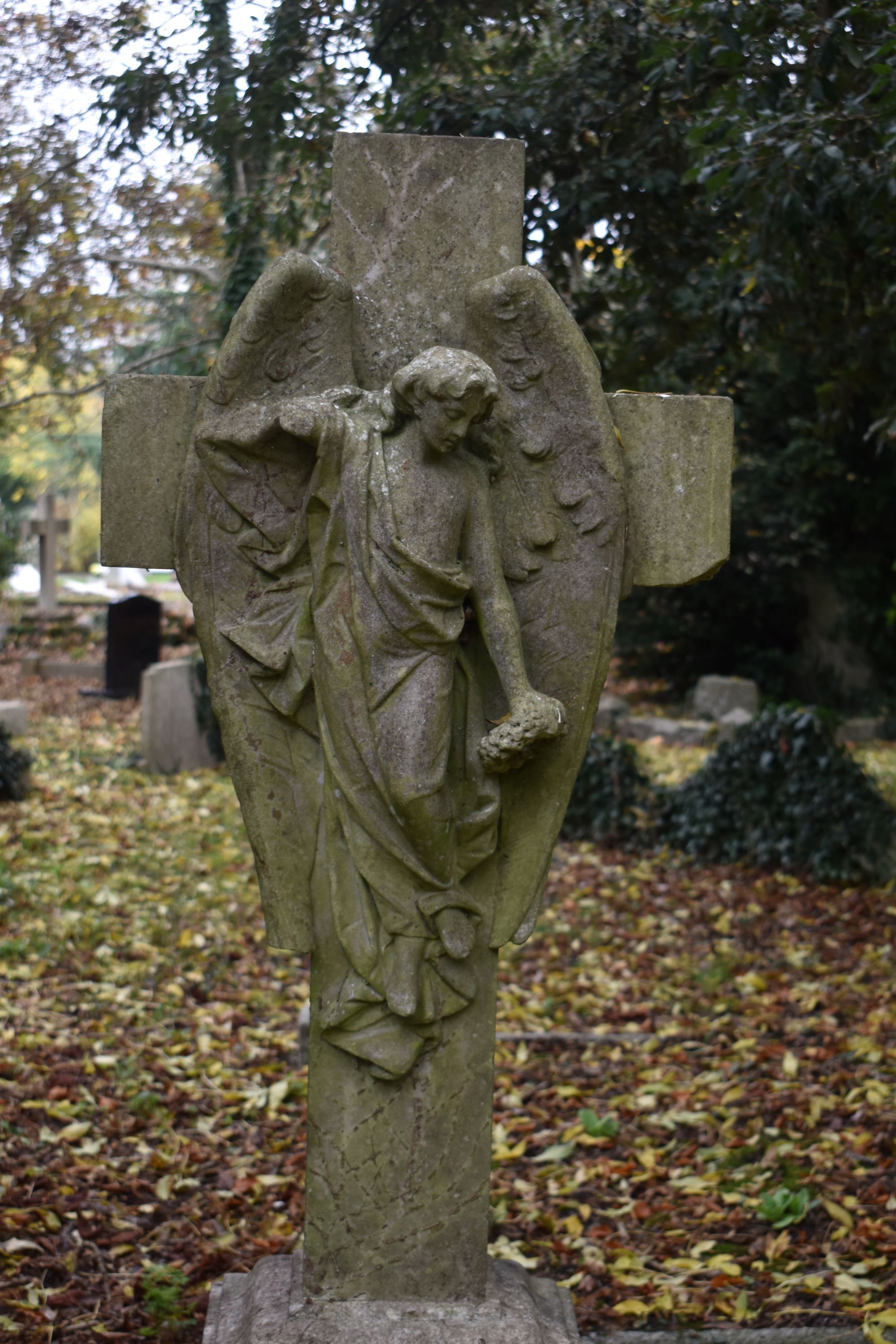
Another surprise was finding a definitely male angel draped in what could be described as a toga (it looked chilly) keeping watch over the grave of Arthur and Ethel Weston. It’s unusual as most angels in cemeteries and churchyards appear to be pretty, pensive young women.
There was a 2D representation of ‘Simply To Thy Cross I Cling’ on the Holness headstone. I found a metal Lourdes medal that had been placed on a stone cross.
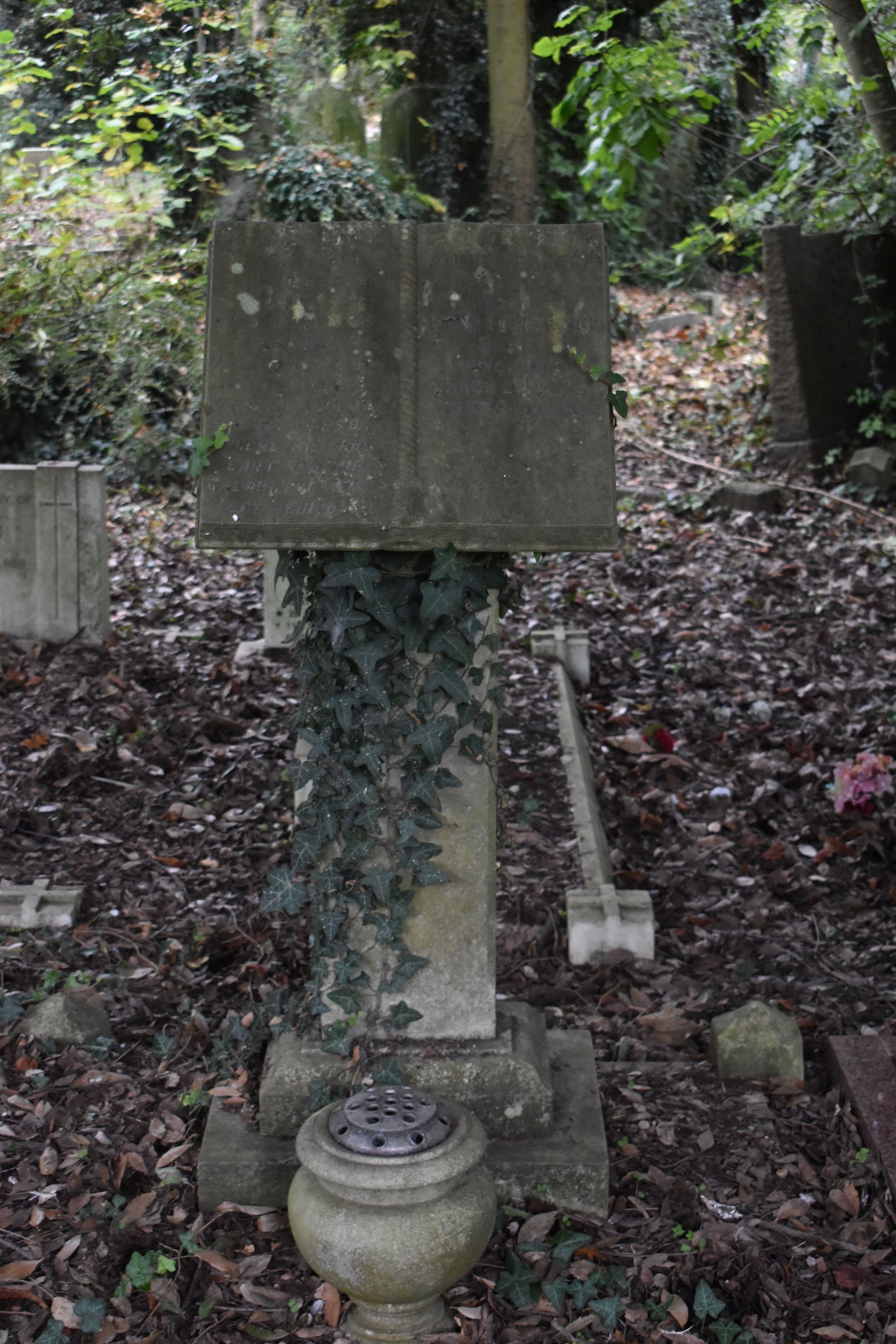
There was also a variant on the open book which was last month’s Symbol of the Month. Here it has been placed on a lectern style stand which made me think of the deceased standing up and telling all those around him of his or her good deeds or perhaps giving them a sermon.
On the elegant Devereux headstone dedicated to Thomas and his wife, Maria, I didn’t need to look at the epitaph to know that this was dedicated to a Royal Navy man. The two pillars have chains wrapped around them ending in two entwined anchors. There is also a Crown above them and the familiar shaking hands at the top.
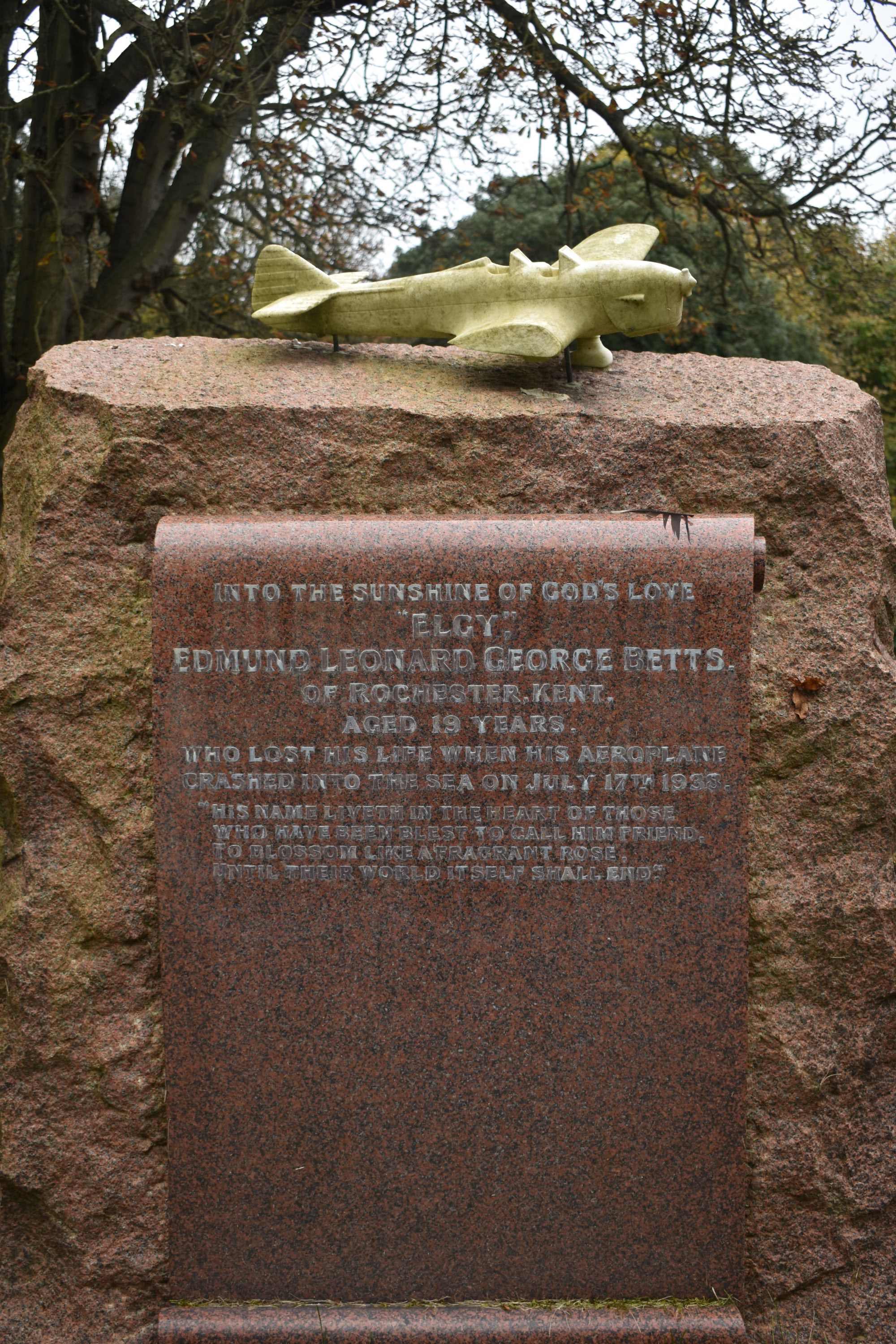
I then came across my other surprise of the day when I found another Grade II listed monument. I was surprised that the small model airplane on top of it hadn’t been stolen although I saw very little vandalism in the cemetery. The monument is dedicated to Edward Leonard George ‘Elgy’ Betts who died aged 19 on 17 July 1938. I am indebted to Findagrave for the information about him:
‘….crashed into the sea with a 2 seater light aircraft after taking off from Ramsgate airport. He was flying a Miles Hawk Trainer airplane belonging to Thanet Aero Club and it crashed into the sea off Cliftonville, Margate, Kent. He and his passenger, 16 year old Marjorie Wall, were killed….. She is also buried in Margate Cemetery with her parents. The sculpture of the plane is and accurate representation of the plane in which he died, including the registration letters G-AEFU.’
Ramsgate airport is long gone and has been replaced by an industrial. For a Sunday afternoon the cemetery was quite busy with visitors, mostly in cars, and a few like myself on foot. But I was aware that I didn’t have enough time on this visit to explore the entire cemetery so will do it in sections on future visits. I am already anticipating this although there is already plenty to write about!
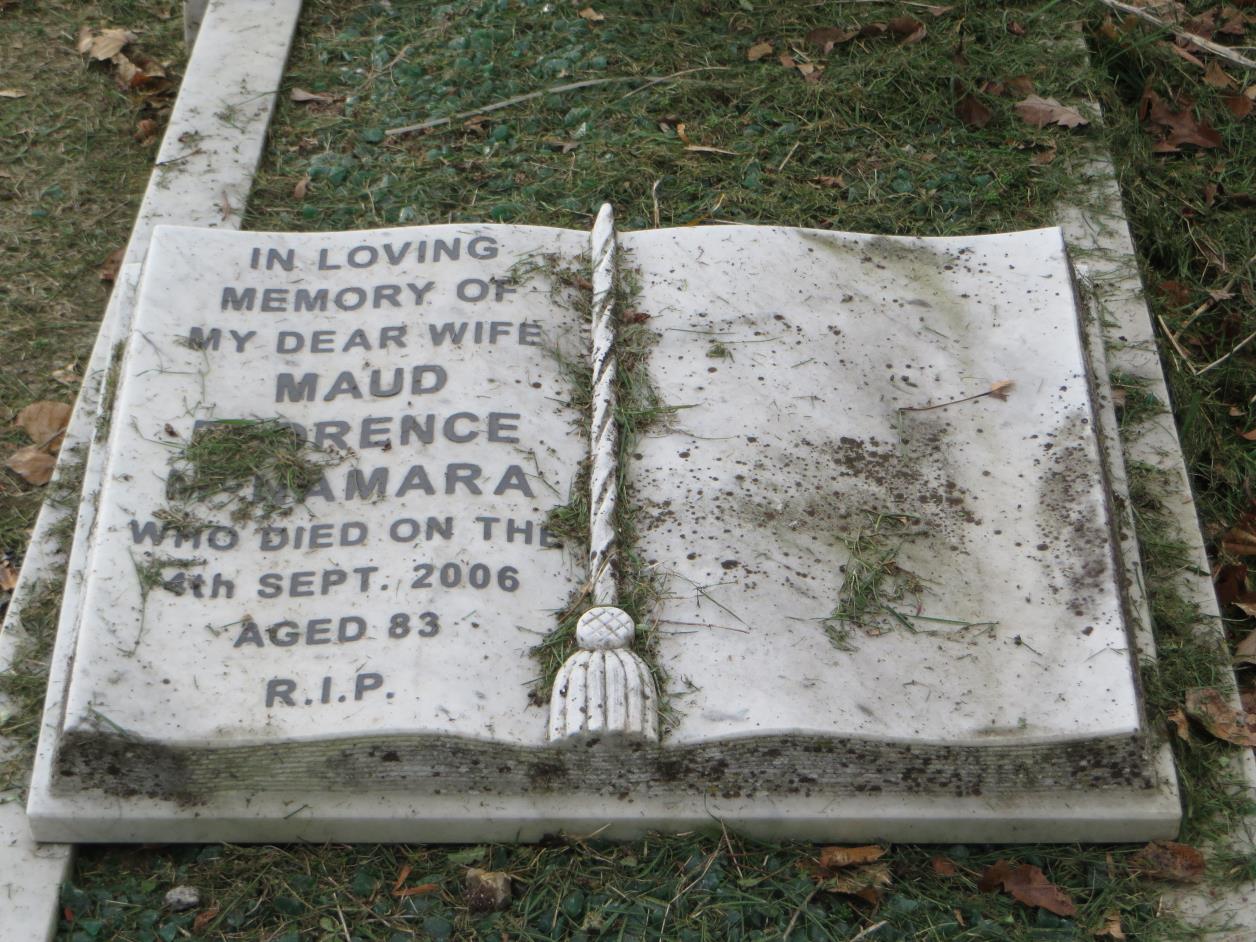
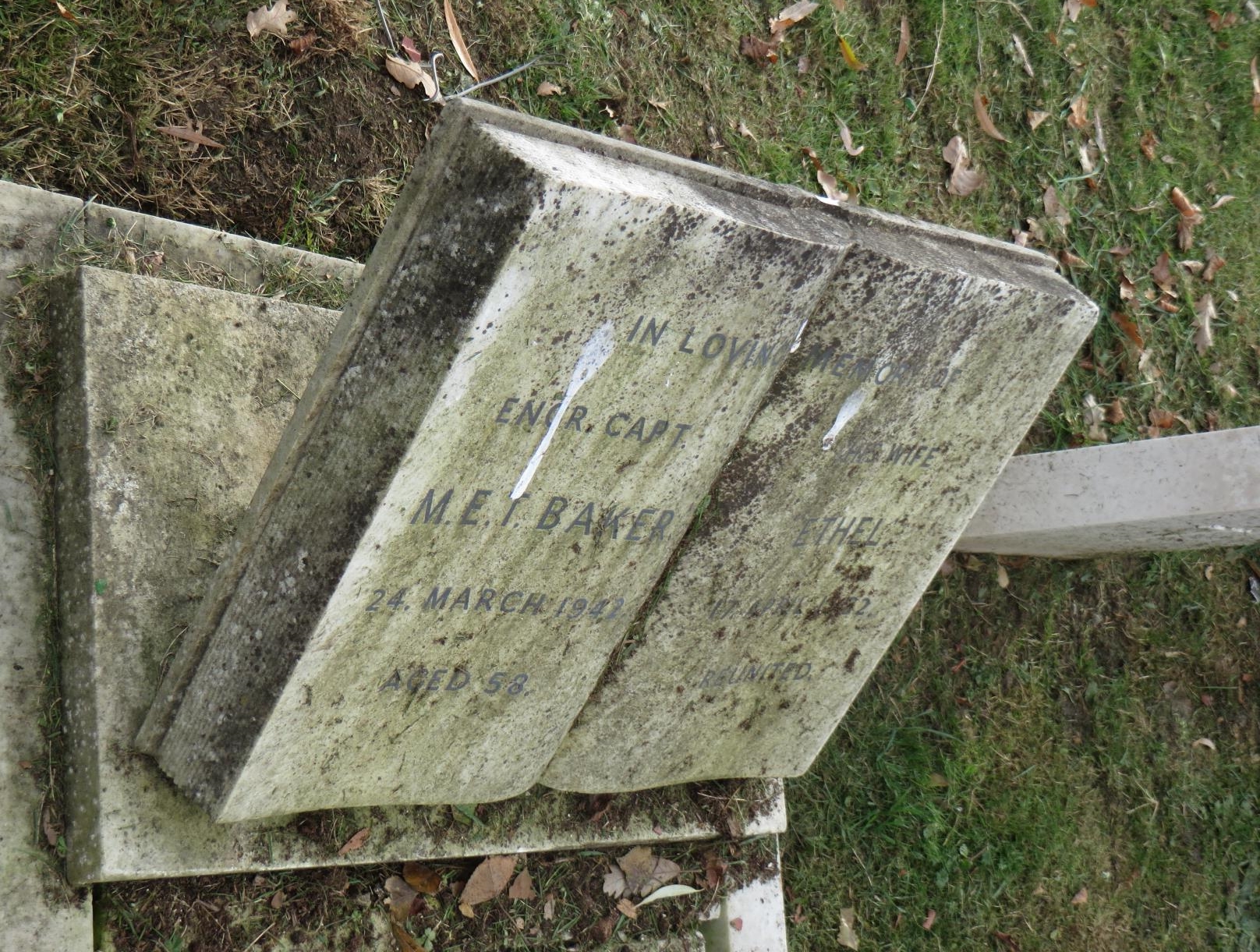
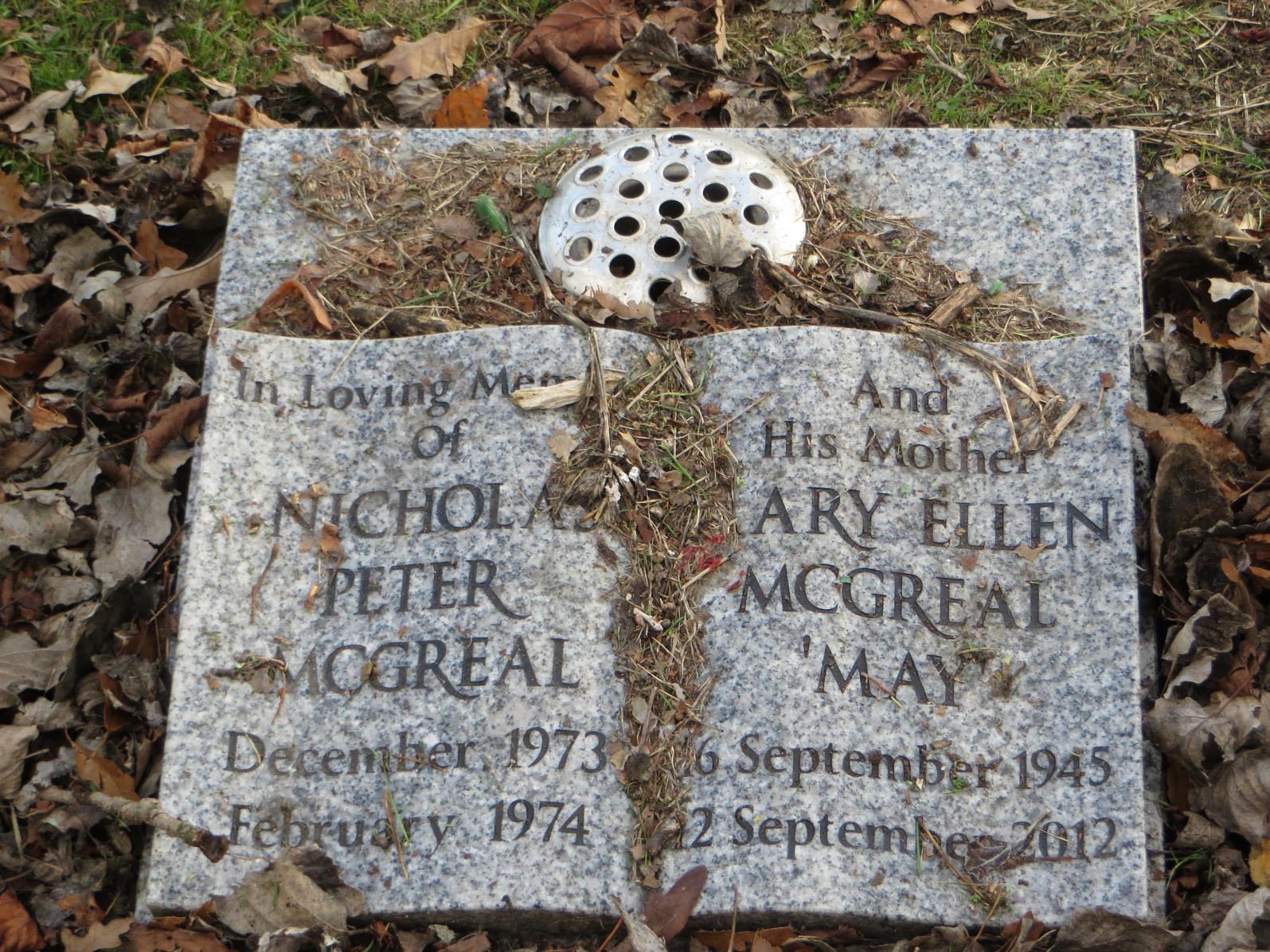
Sometimes a wander through a cemetery can make you feel as if you’re in a heavenly library due to the number of open books reverently laid on top of graves. They’re usually made from stone or granite, inscribed with the name and dates of the deceased and often a decorative carved book marker complete with tassel keeping the pages open. In this example, a downwardly pointing finger indicates the large open book.
On first appearance the open book can seem a very simple and obvious symbol and it’s used in place of a more formal headstone. But, as with other symbols, it can have alternative meanings.
The 3 dimensional version that is carved to simulate a real book is a 19th century innovation. Prior to this it was rendered in a 2 dimensional, flat form and can be found on 18th century tombstones as part of an overall design or epitaph.
The open book can almost resemble a visitors book with the deceased’s details inscribed on it as if they were signing in or checking out for eternity and sometimes one page is left blank for perhaps the partner who will follow. On a recent stroll through Beckenham cemetery I came across several variations:
For example, there was one with both pages blank which could indicate that the inscription has worn off or that they were ready to be written for eternity. The latter echoes the well-known phrase ‘he or she can be read like an open book’ and the empty pages can indicate that this is how they want to be judged on the Day of Judgement. This references the quotation from the Book of Revelation 20:11-15:
‘And I saw the dead, small and great, stand before God; and the books were opened: and another book was opened, which is the book of life: and the dead were judged out of those things which were written in the books, according to their works.’ King James Bible
This is also why the open book is also known as the Book of Life as it contains everything that the deceased has done throughout their life and for which they will now be accountable. Christ is often depicted carrying a book. J C Cooper also sees it as the Book of Life and adds that it can also represent
‘….learning and the spirit of wisdom, revelation and …wisdom.’
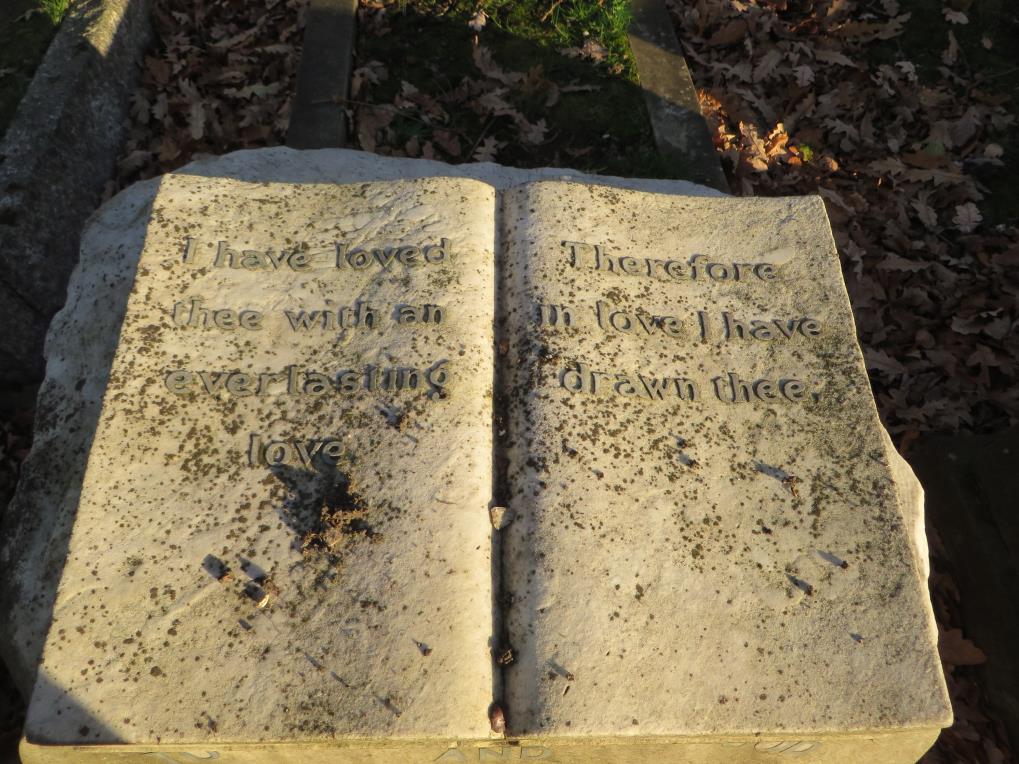
‘The LORD hath appeared of old unto me, saying, Yea, I have loved thee with an everlasting love: therefore with loving kindness have I drawn thee.’ Jeremiah 31.3 King James Bible
This makes the symbol almost resemble a Bible. Other suggestions are that it can indicate the grave of a writer, publisher or even more obviously a clergyman.
It can also suggest that a chapter of life has ended or closed and a variant is the closed book. I found this one in West Norwood cemetery and it clearly indicates a life that has ended with the final chapter now written.
So the open book has made me think about how my book of life would look on my last resting place. I’m determined to make sure that it’s a good read for any passing visitor.
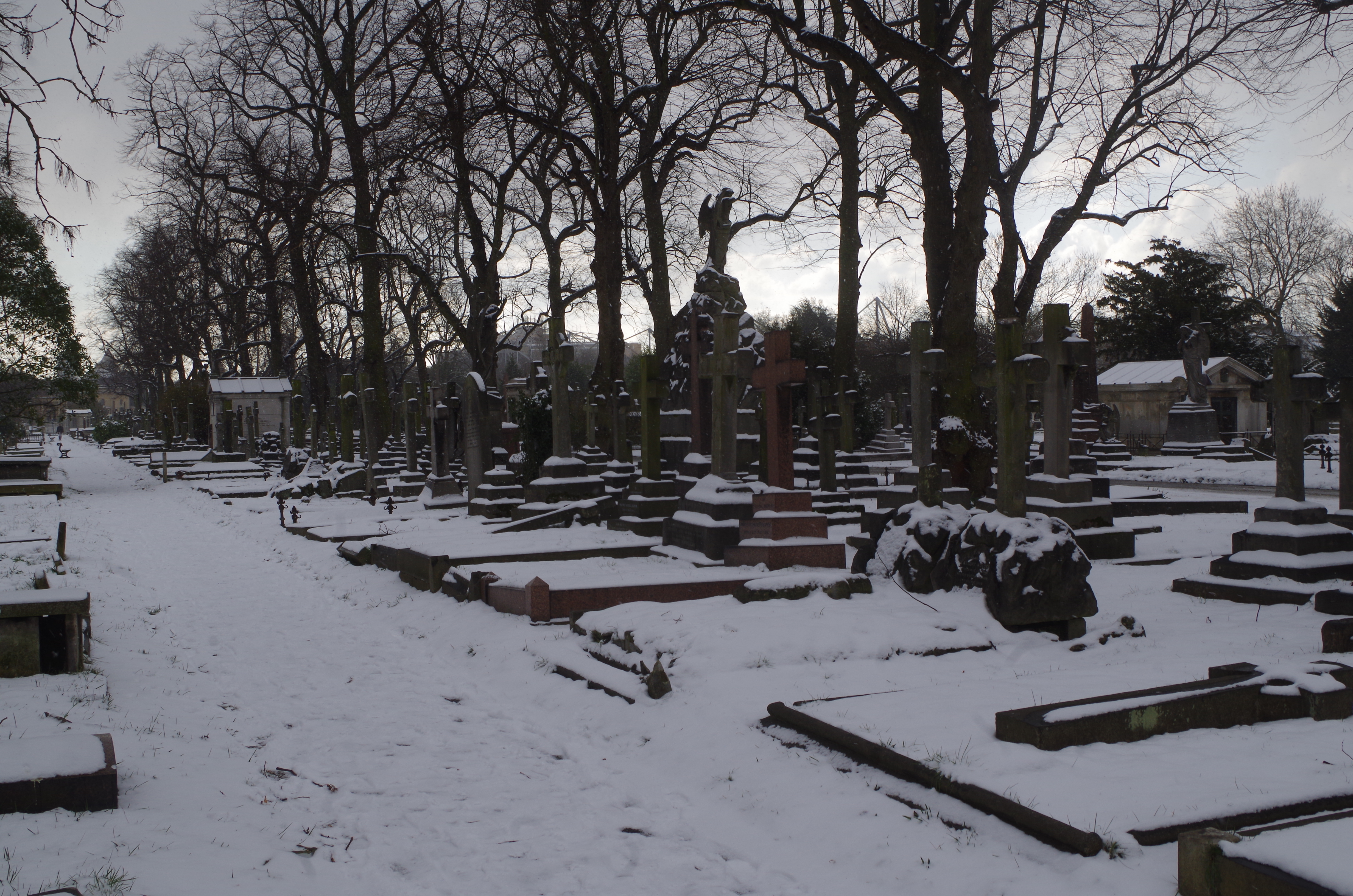
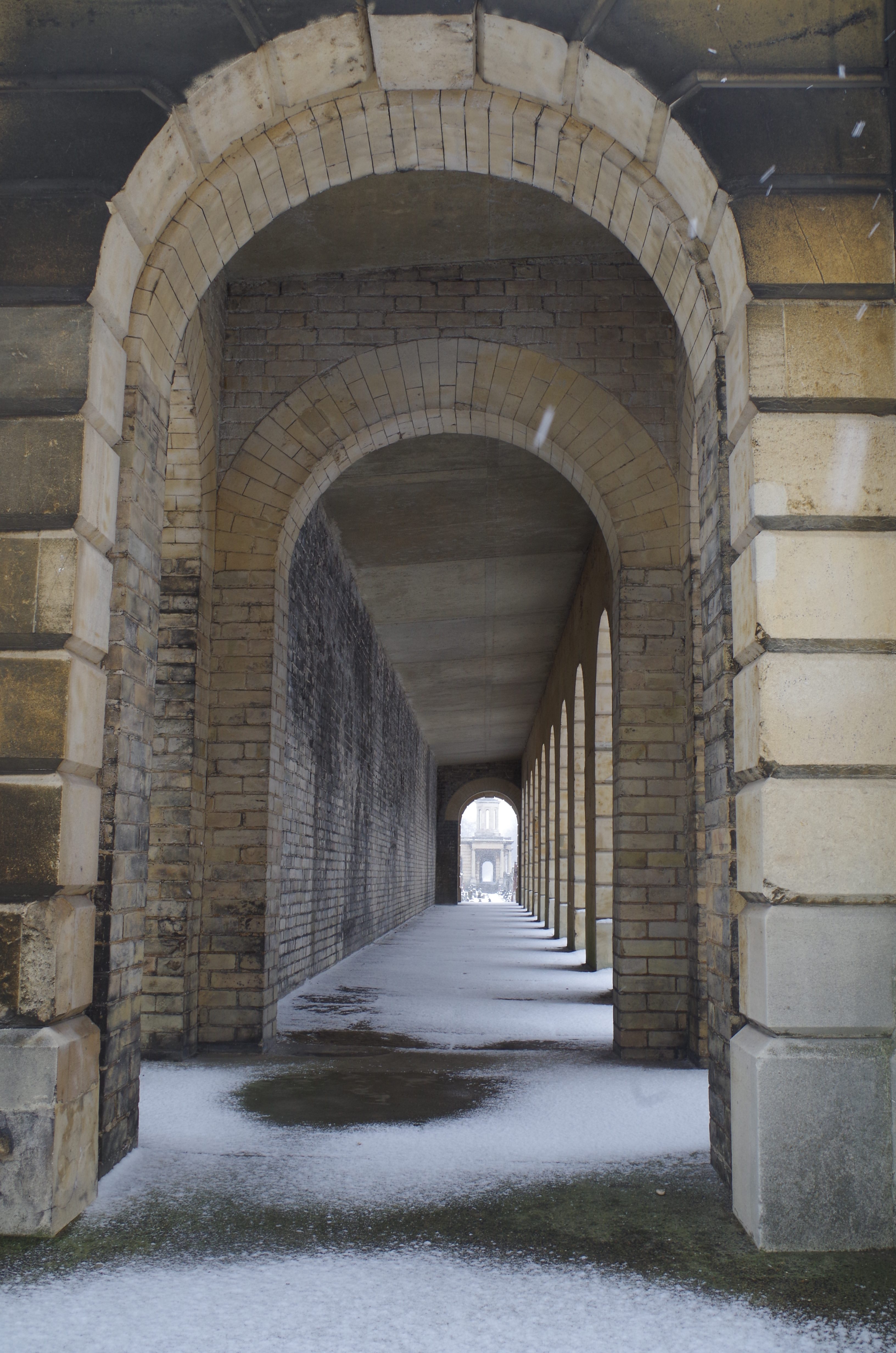
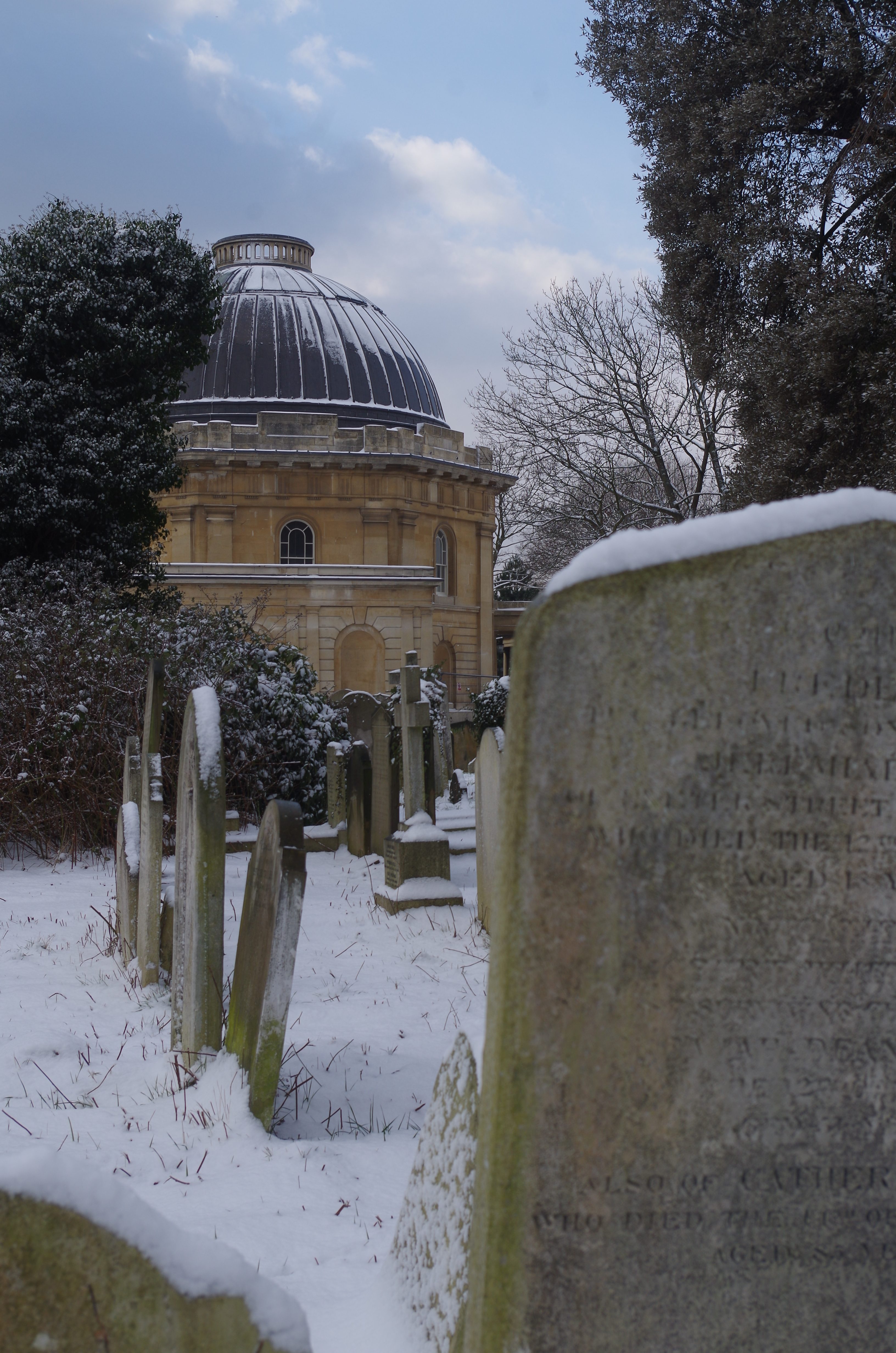
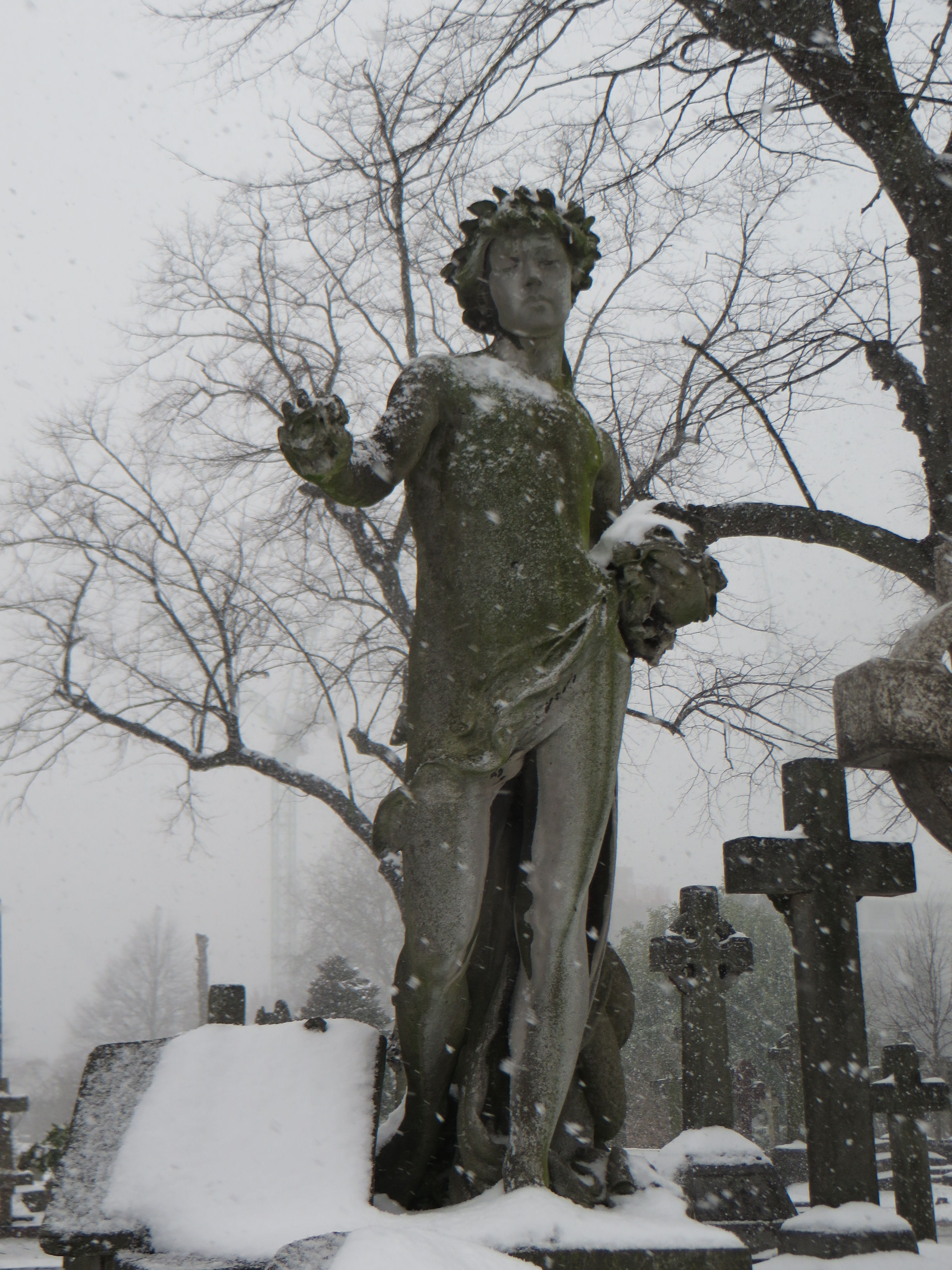
Now that snow has come to Central London again how I wish I was there to see it! But I’m not and instead I thought I would show how beautiful a cemetery can look when it’s covered in the white stuff. These were taken during the last big snowfall, the so called Beast from the East, in Feb 201 and feature Brompton Cemetery looking a little mysterious as the snow fell and fell and fell……
As we are still in lockdown, I thought that I would repost an earlier blog about a flower that is traditionally associated with cemeteries and churchyards. This is the time of year when they start to make a welcome appearance as signs of Spring and this year, especially, I think that we need to know that better days are coming.
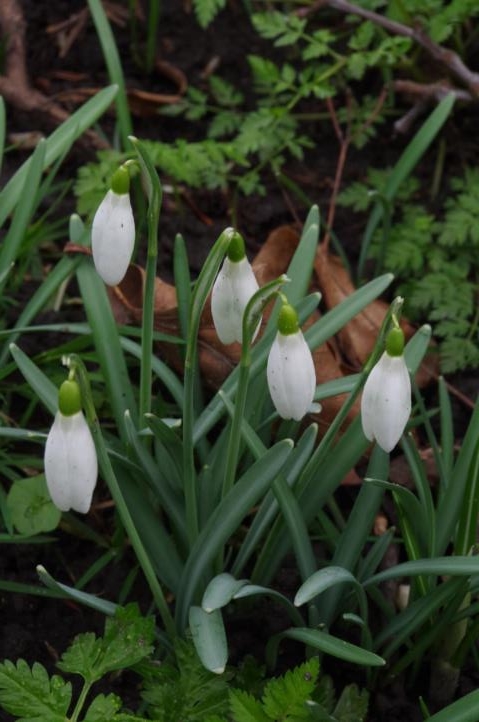
Imagine yourself in a gloomy medieval church on the festival of Candlemass. You, and your fellow parishioners, have each brought your candles to be blessed by the priest and, after the procession which will fill the church with light, they will all be placed in front of a statue of the Virgin Mary. Candlemass marked the end of winter and the beginning of Spring and the blessing is to ward off evil spirits. It traditionally falls on February 2 and is shared with the Celtic festival of Imbolc. And in the churchyard outside you can see green shoots forcing their way up through the hard winter earth. The snowdrop’s milk-white flowers show that spring is on its way as they begin to emerge into the light.
The placing of the lit candles in front of the Virgin Mary’s statue gave the snowdrop one of its many other names – Mary’s Tapers. But there are many others such: Dingle Dangle, Candlemas Bells, Fair Maids of February, Snow Piercer, Death’s Flower and Corpse Flower.
The snowdrop’s appearance has also inspired many comments . According to the Scottish Wildlife Trusts website they have been described as resembling 3 drops of milk hanging from a stem and they are also associated with the ear drop which is an old fashioned ear ring. Anyone who has seen a group of snowdrops nodding in the wind will understand what they mean. The snowdrop’s colour is associated with purity and they have been described as a shy flower with their drooping flowers. However, the eco enchantments website reveals that the flower is designed in this way due:
‘to the necessity of their dusty pollen being kept dry and sweet in order to attract the few insects flying in winter.’
Snowdrops have been known since ancient times and, in 1597, appeared in Geralde’s ‘Great Herbal where they were called by the less than catchy name of ‘Timely Flowers Bulbous Violets’. Its Latin name is Galanthus nivalis. Galanthus means milk white flowers and the nivalis element translates as snowy according to the great botanist, Linnaeus in 1753. In the language of flowers they’re associated with ‘Hope’ and the coming of spring and life reawakening.
However, yet despite all these positive associations, the elegant snowdrop has a much darker side. Monks were reputed to have brought them to the UK but it was the ever enthusiastic Victorians who copiously planted them in graveyards, churchyards and cemeteries which then linked them with death. Hence the nickname name ‘Death’s Flower.’
They were described by Margaret Baker in the 1903 ‘Encyclopedia of Superstitions, Folklore and the Occult of the World’ as:
‘so much like a corpse in a shroud that in some counties the people will not have it in the house, lest they bring in death.‘
So that’s where the ‘Corpse Flower’ nickname came from.
Snowdrops are also seen as Death’s Tokens and there are several regional folk traditions of connecting death with them. For example in the 19th and early 20th centuries it was considered very unlucky to bring the flower into the house from outside as it was felt that a death would soon occur. The most unlucky snowdrop was that with a single bloom on its stem. Other folk traditions were described in a 1913 folklore handbook which claims that if a snowdrop was brought indoors it will make the cows milk watery and affect the colour of the butter. Even as late as 1969 in ‘The Folklore of Plants’ it was stated that having a snowdrop indoors could affect the number of eggs that a sitting chicken might hatch. A very powerful plant if these are all to be believed – you have been warned!
It’s amazing that this little flower has so many associations and legends connected with it but I always see it as a harbinger of spring, rebirth and an indication of warmer days to come.
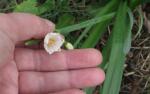
But the snowdrop also has a surprise. This came courtesy of the Urban Countryman page on Facebook – not all social media is time wasting! If you very gently turn over a snowdrop bloom you will find that the underside is even prettier and they also vary depending on the snowdrop variety.
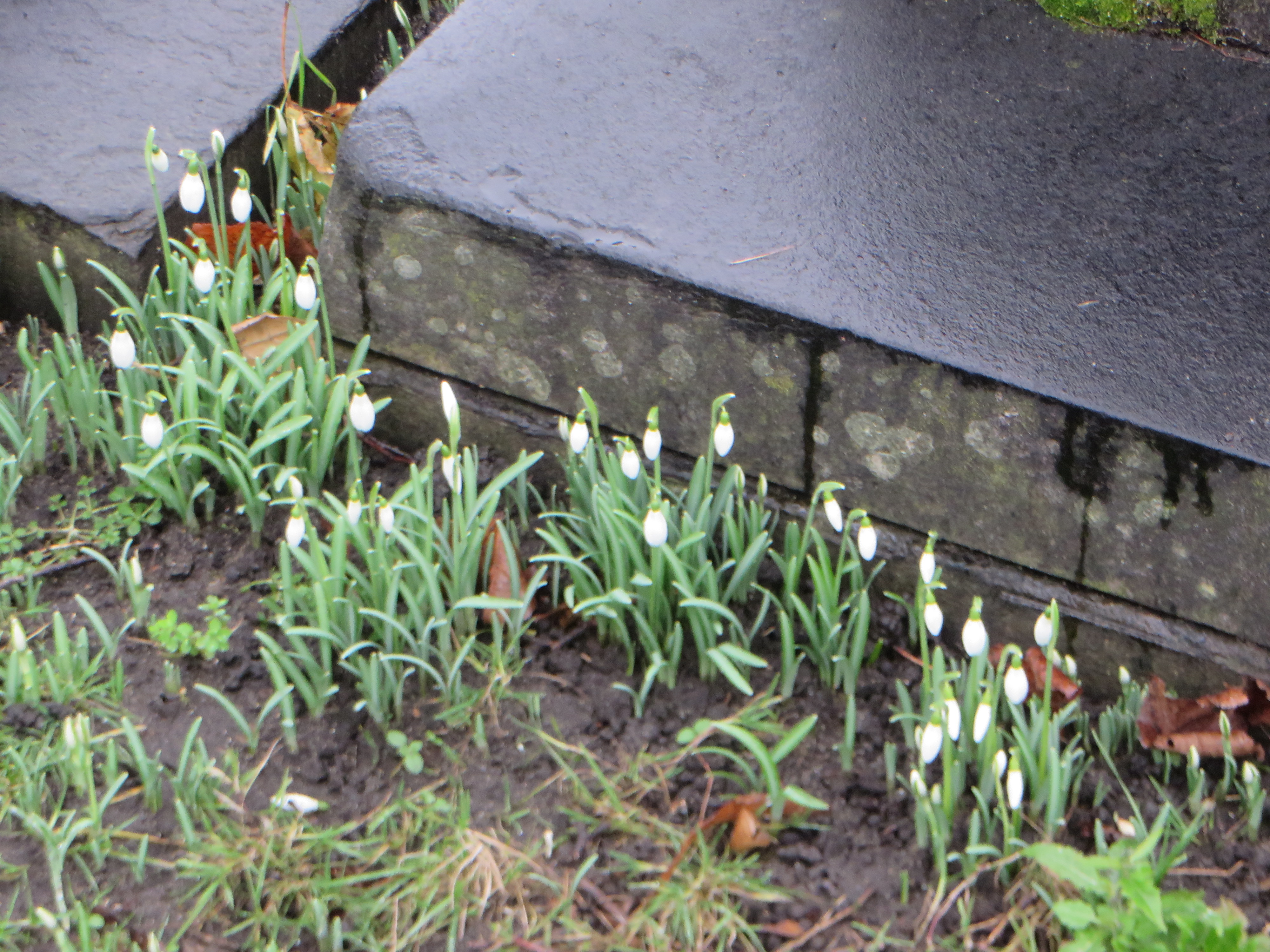
Here is a small selection from my local churchyard and one from Kensal Green cemetery.
So don’t underestimate the snowdrop – it’s a plant associated with life and death but watch out for your hens and the colour of your butter if you do decide to tempt fate…..
Pottering about cemeteries, burial grounds and graveyards as I do while undertaking research can often lead to unexpected discoveries. As I search for symbols and epitaphs, and the occasional wildlife, I often find unusual names recorded on headstones and memorials, They’re often names that you don’t see every day and so, if you’re a writer like myself, cemeteries can often provide inspiration for naming characters especially if it’s a historical piece.
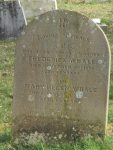
So here is a small selection from St Mary’s churchyard, Riverhead, near Sevenoaks, Kent that I saw earlier in February 2019 on a lovely Spring like day, Crocuses and snowdrops clustered around the headstones and seeing a name like Mercy Bellchambers on a headstone felt really appropriate. Now that’s a name really crying out to be used in a historical novel…..
Imagine yourself in a gloomy medieval church on the festival of Candlemass. You, and your fellow parishioners, have each brought your candles to be blessed by the priest and, after the procession which will fill the church with light, they will all be placed in front of a statue of the Virgin Mary. Candlemass marked the end of winter and the beginning of Spring and the blessing is to ward off evil spirits. It traditionally falls on February 2 and is shared with the Celtic festival of Imbolc. And in the churchyard outside you can see green shoots forcing their way up through the hard winter earth. The snowdrop’s milk-white flowers show that spring is on its way as they begin to emerge into the light.
The placing of the lit candles in front of the Virgin Mary’s statue gave the snowdrop one of its many other names – Mary’s Tapers. But there are many others such: Dingle Dangle, Candlemas Bells, Fair Maids of February, Snow Piercer, Death’s Flower and Corpse Flower.
The snowdrop’s appearance has also inspired many comments . According to the Scottish Wildlife Trusts website they have been described as resembling 3 drops of milk hanging from a stem and they are also associated with the ear drop which is an old fashioned ear ring. Anyone who has seen a group of snowdrops nodding in the wind will understand what they mean. The snowdrop’s colour is associated with purity and they have been described as a shy flower with their drooping flowers. However, the eco enchantments website reveals that the flower is designed in this way due:
‘to the necessity of their dusty pollen being kept dry and sweet in order to attract the few insects flying in winter.’
Snowdrops have been known since ancient times and, in 1597, appeared in Geralde’s ‘Great Herbal where they were called by the less than catchy name of ‘Timely Flowers Bulbous Violets’. Its Latin name is Galanthus nivalis. Galanthus means milk white flowers and the nivalis element translates as snowy according to the great botanist, Linnaeus in 1753. In the language of flowers they’re associated with ‘Hope’ and the coming of spring and life reawakening.
However, yet despite all these positive associations, the elegant snowdrop has a much darker side. Monks were reputed to have brought them to the UK but it was the ever enthusiastic Victorians who copiously planted them in graveyards, churchyards and cemeteries which then linked them with death. Hence the nickname name ‘Death’s Flower.’
They were described by Margaret Baker in the 1903 ‘Encyclopedia of Superstitions, Folklore and the Occult of the World’ as:
‘so much like a corpse in a shroud that in some counties the people will not have it in the house, lest they bring in death.‘
So that’s where the ‘Corpse Flower’ nickname came from.
Snowdrops are also seen as Death’s Tokens and there are several regional folk traditions of connecting death with them. For example in the 19th and early 20th centuries it was considered very unlucky to bring the flower into the house from outside as it was felt that a death would soon occur. The most unlucky snowdrop was that with a single bloom on its stem. Other folk traditions were described in a 1913 folklore handbook which claims that if a snowdrop was brought indoors it will make the cows milk watery and affect the colour of the butter. Even as late as 1969 in ‘The Folklore of Plants’ it was stated that having a snowdrop indoors could affect the number of eggs that a sitting chicken might hatch. A very powerful plant if these are all to be believed – you have been warned!
It’s amazing that this little flower has so many associations and legends connected with it but I always see it as a harbinger of spring, rebirth and an indication of warmer days to come.
But the snowdrop also has a surprise. This came courtesy of the Urban Countryman page on Facebook – not all social media is time wasting! If you very gently turn over a snowdrop bloom you will find that the underside is even prettier and they also vary depending on the snowdrop variety.
Here is a small selection from my local churchyard and one from Kensal Green cemetery.
So don’t underestimate the snowdrop – it’s a plant associated with life and death but watch out for your hens and the colour of your butter if you do decide to tempt fate…..
With gossamer wings which turn into tiny rainbows under the sun’s rays as they pose on trees and tombstones and incredible acrobatic flying displays dragonflies and damselflies are regular visitors to my local churchyard. And 2017 has been an incredible year for spotting them.
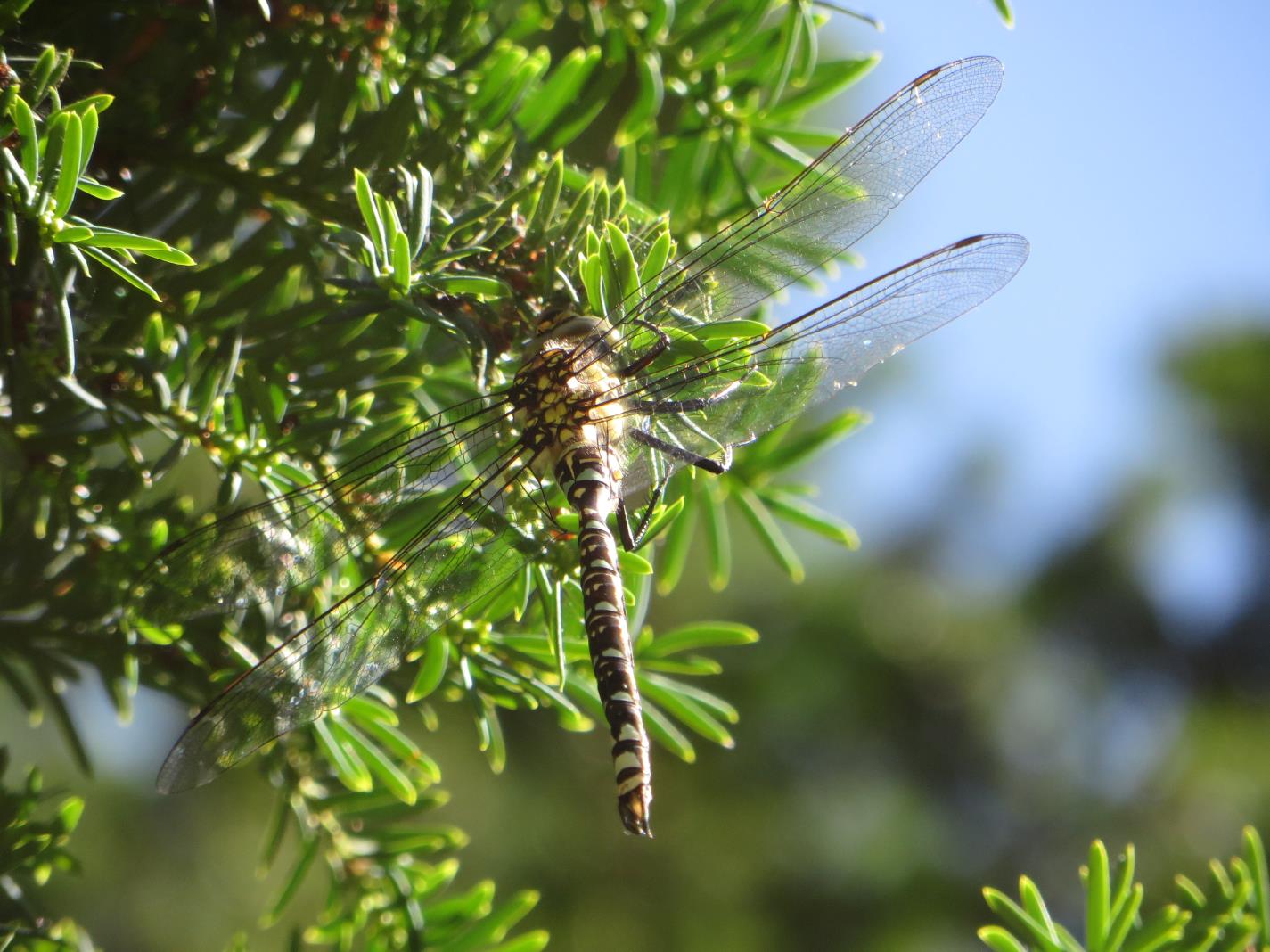
I don’t think that a chucrwarden in St George’s, Beckenham, believed me when, in 2016, she found me trying to capture a Southern Hawker which was conveniently posing on a lofty yew branch.. But this year, I have seen so many in there that it did become a regular part of my day to walk through and look for them.
I would watch in amazement at their aerodynamics and speed as their 4 wings whirled furiously like helicopter blades as they flew at speed. However, they would also fly at a more leisurely pace around and around before, tantalisingly, they would veer off into the foliage of trees to vanish from sight. It would often be the bigger dragonflies such as Southern Hawkers that I would see on the wing but also as the summer moved on, Common Darters began to appear.
Often a dragonfly would obligingly land on a tombstone or lower branch and I noticed that they were particularly attracted to evergreens such as yews. This might account for their attraction to cemeteries and graveyards.
Here’s a selection of my favourite images of dragonflies and damselflies from both cemeteries and churchyards:
This is a Southern Hawker from 2016 and was seen it in St George’s churchyard, Beckenham.
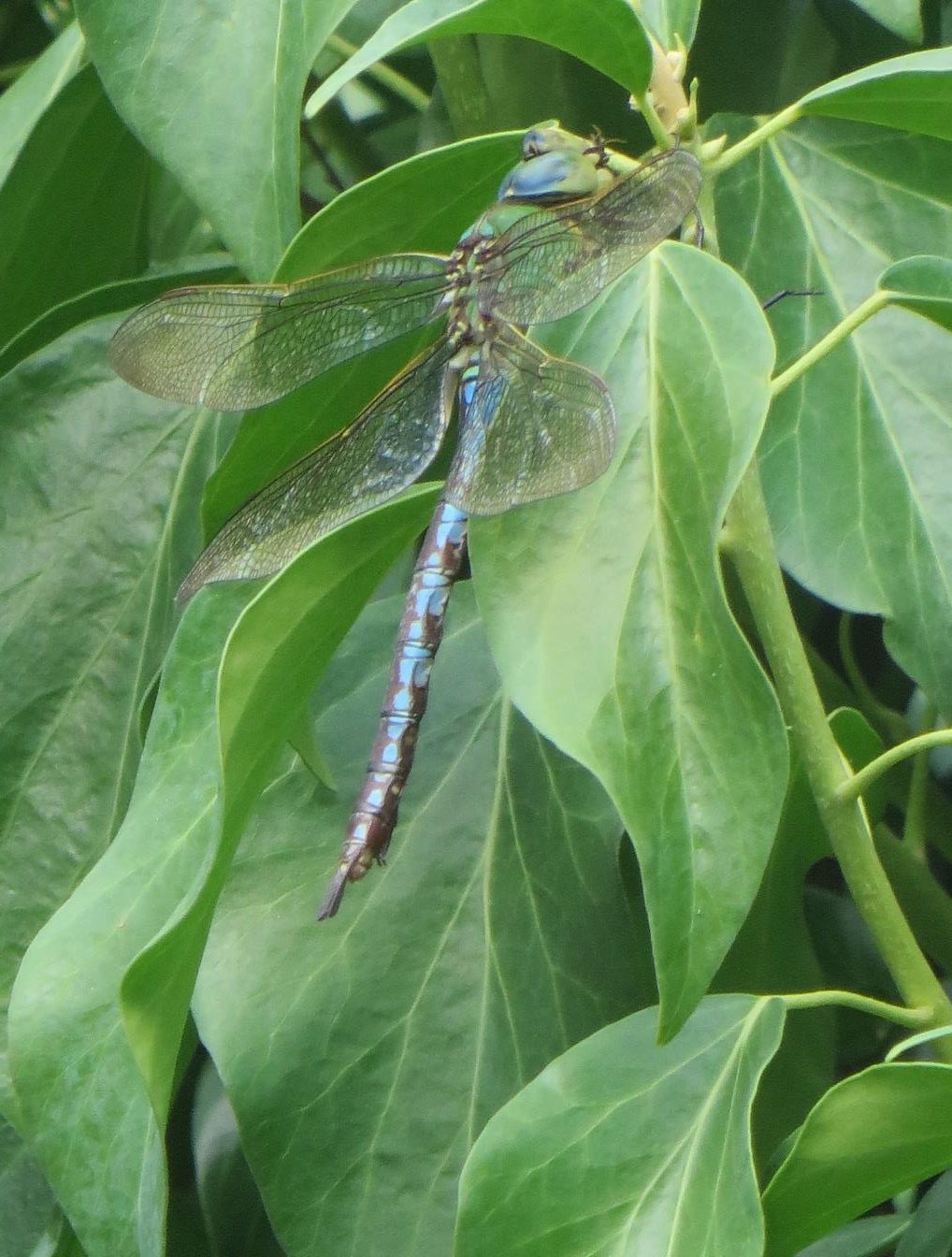
This is a male Emperor from Kensal Green cemetery, London in July 2017. I spotted him/her flying around above The Meadow section which is left uncut around the monuments and tombstones during the summer to encourage wildlife such as butterflies, In some parts it’s very damp underfoot hence the dragonfly I thought. It evaded my attempts to photograph it until, near the entrance as I was leaving, it landed temporarily on an ivy clad monument.
These are two damselflies from Beckenham Cemetery’s Garden of Remembrance pool from July 2017. From July –August it is a magnet for red and azure damselflies. They look almost like tiny, coloured sticks floating on the breeze and I caught these two ovipositing i.e. laying eggs. The upright one is laying the eggs and the other is holding it steady.
Again from St George’s but from 2017, I waited patiently until this beautiful male Southern Hawker landed and helpfully rested on a tombstone. It stayed there for a few minutes until it got fed up and flew off again.
This is a Common Darter and I saw several over the summer this year in the churchyard. For some reason they were particularly attracted to the pink granite monuments – a cool surface on a hot summer’s day?
I enjoy looking out for them and on one occasion last year the angle at which the dragonfly was perched on a yew branch and the way in which the sun shone through its wings made them look as if they were made from burnished copper.
So do look up when you’re next visiting a cemetery or churchyard on a warm summer’s day and you might be surprised. I’m looking forward to what the summer of 2018 might bring already!
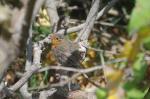
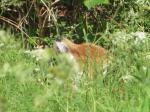
Summer is when you can really appreciate the wild corners and places within cemeteries. Often spaces between tombstones and monuments will be left unmown or unscythed which allows grasses to grow tall. The rapidly expanding bramble stands are good hiding places for foxes to hide in or use to travel between. Already ripe, plump blackberries are dessert for hungry birds and jam makers.
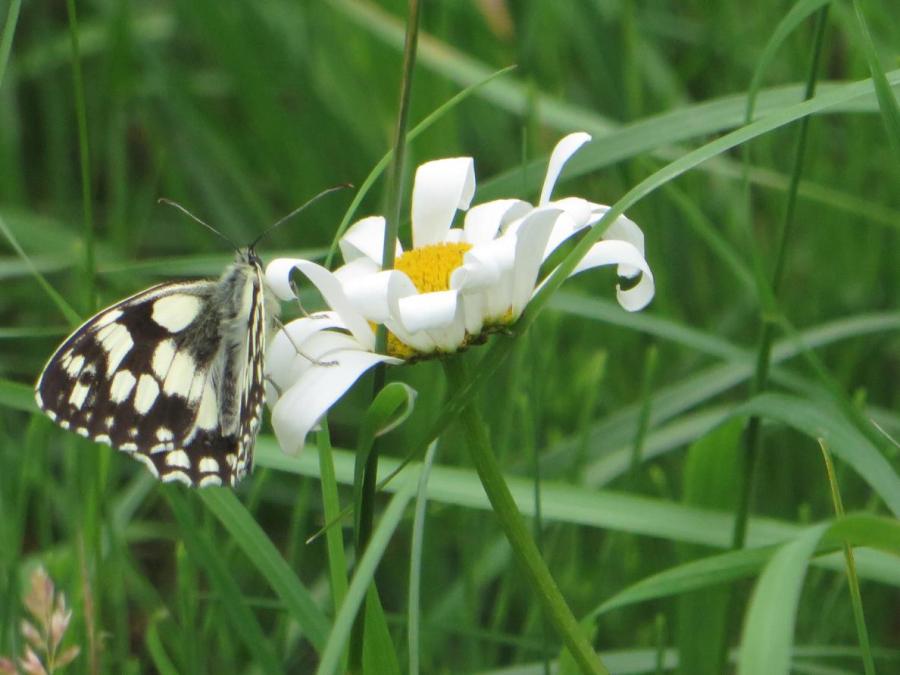
Wildflowers begin to stud the grass and undergrowth with bright dots of colour as they bud and begin to flower under the summer sun’s rays. These create dazzling combinations of colour as they grow together. At Kensal Green one area near the closed catacomb terrace is designated as a meadow. I stood inside it in early July of this year, almost waist high in grass and flowers, surrounded by flitting butterflies and day flying moths, leaping grasshoppers and even a large blue Emperor dragonfly. The latter was a complete surprise. There was even a pair of courting Small White butterflies as well. I just felt so happy to be there with the sun on my face and nature getting on with itself regardless of me.
Ragwort, a bright yellow plant which is rampant at the moment, divides opinion in some quarters. It has been described as a weed and a wildflower. Butterflies love it but it’s poisonous to cattle and horses. I counted 8 Gatekeepers on one Ragwort flower head munching away quite contentedly. The cemeteries that I explored teamed with wildlife and sometimes unusual or uncommon specimens.
I am a Citizen Scientist (not the most catchiest of titles I must admit and it sounds somewhat po-faced)which means that I go about recording wildlife and what I see on my urban ramblings for various websites including irecord and the LondonButterflyProject. Cemeteries are highly recommended by the latter organisation as great places in which to find butterflies and now, I go to a cemetery or graveyard first, in order to do my count.
So here’s a gallery of what you might find on a sunny afternoon wander through a marble orchard.
NB: Be careful and take care if walking through or exploring areas of long grass and wildflowers as monuments can be camouflaged by them. So wear appropriate footwear – not flips-flops – and watch out for kerbstones and the edges of graves so that you don’t trip over them. Also, due to subsidence monuments can also be at odd angles so again take care.





































 shadows fly away