

©Carole Tyrrell
Sometimes a wander through a cemetery can make you feel as if you’re in a heavenly library due to the number of open books reverently laid on top of graves. They’re usually made from stone or granite, inscribed with the name and dates of the deceased and often a decorative carved book marker complete with tassel keeping the pages open. In this example, a downwardly pointing finger indicates the large open book.

On first appearance the open book can seem a very simple and obvious symbol and it’s used in place of a more formal headstone. But, as with other symbols, it can have alternative meanings.
The 3 dimensional version that is carved to simulate a real book is a 19th century innovation. Prior to this it was rendered in a 2 dimensional, flat form and can be found on 18th century tombstones as part of an overall design or epitaph.

An 18th century tombstone in the churchyard of St Nicholas, Strood. © Carole Tyrrell
The open book can almost resemble a visitors book with the deceased’s details inscribed on it as if they were signing in or checking out for eternity and sometimes one page is left blank for perhaps the partner who will follow. On a recent stroll through Beckenham cemetery I came across several variations:
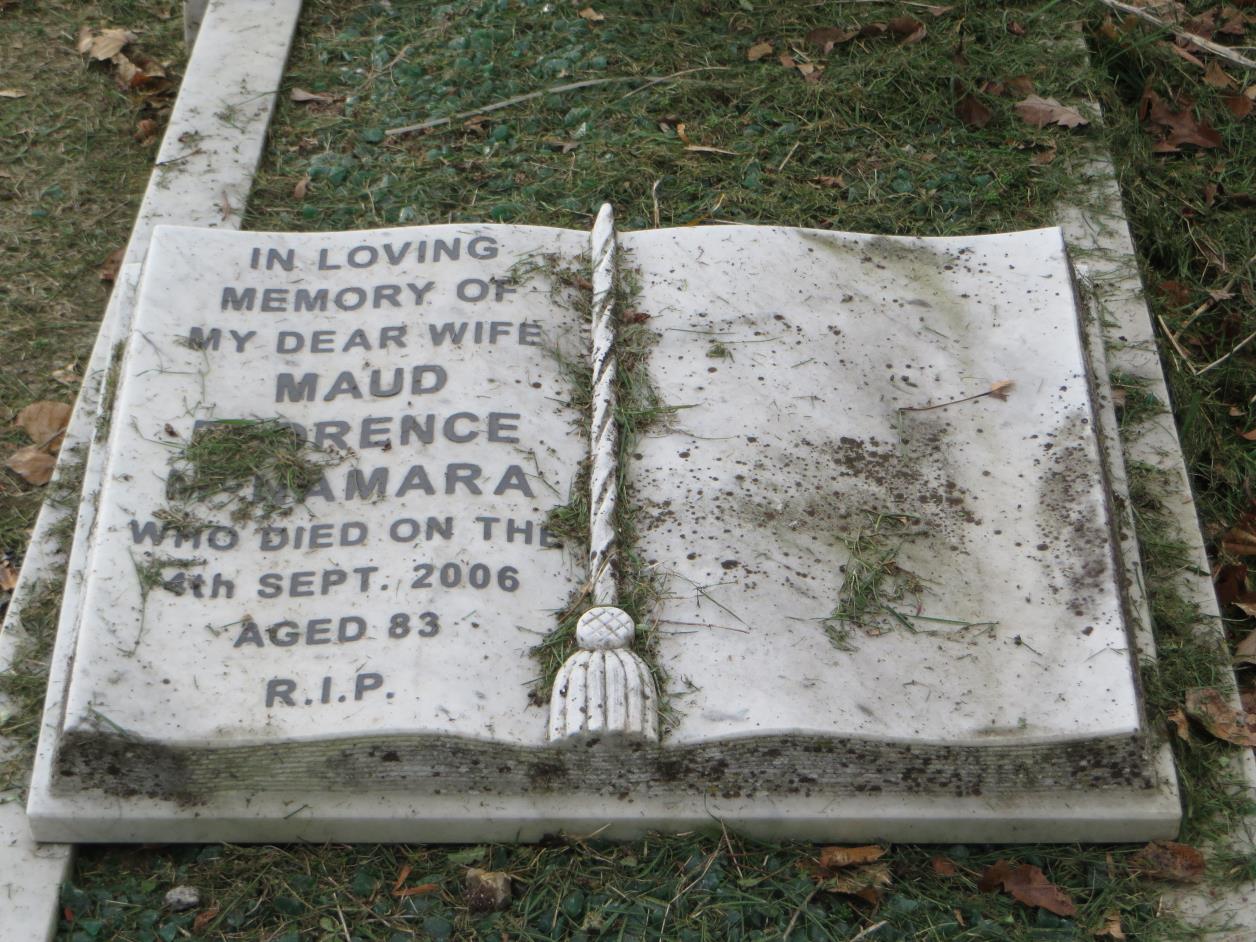

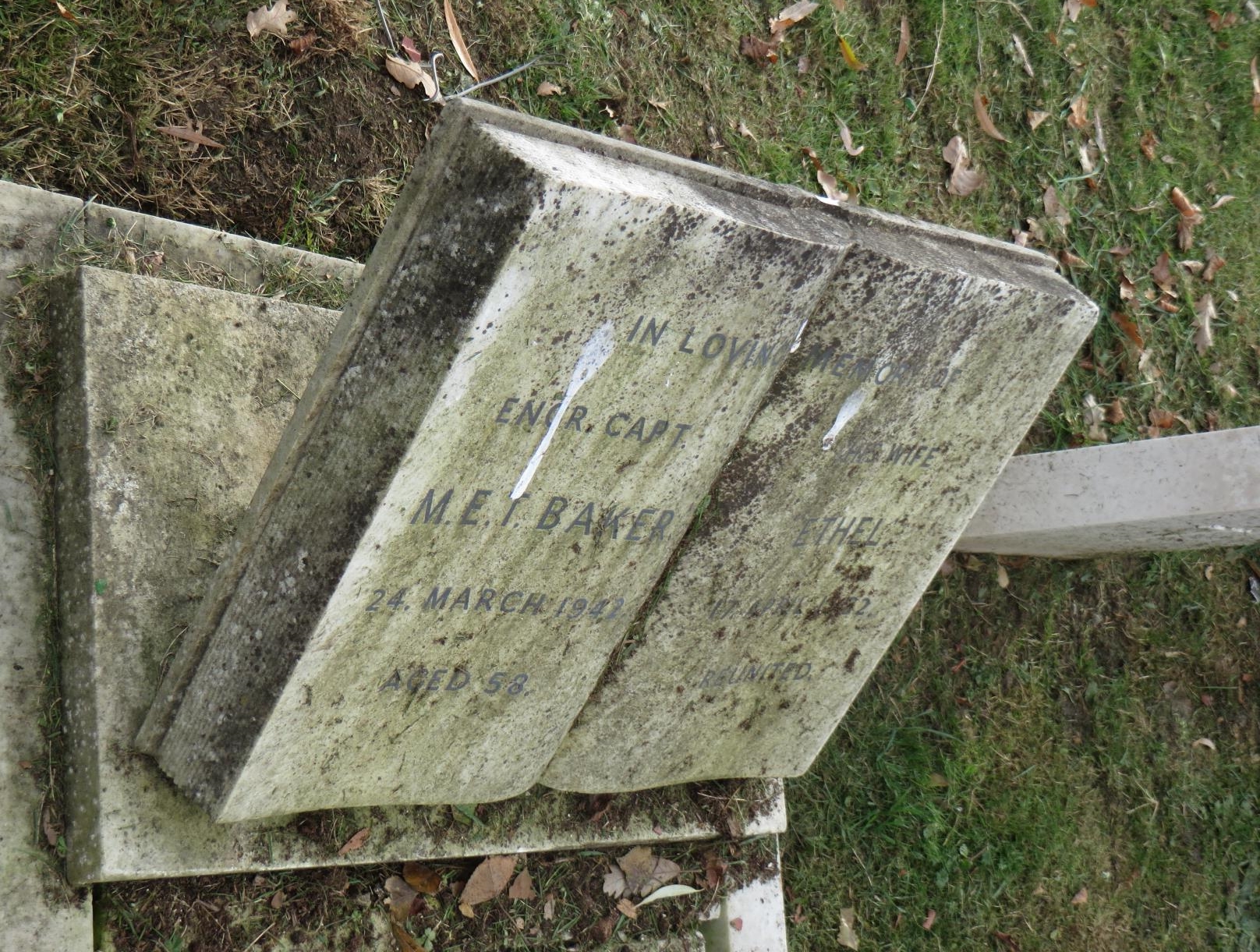

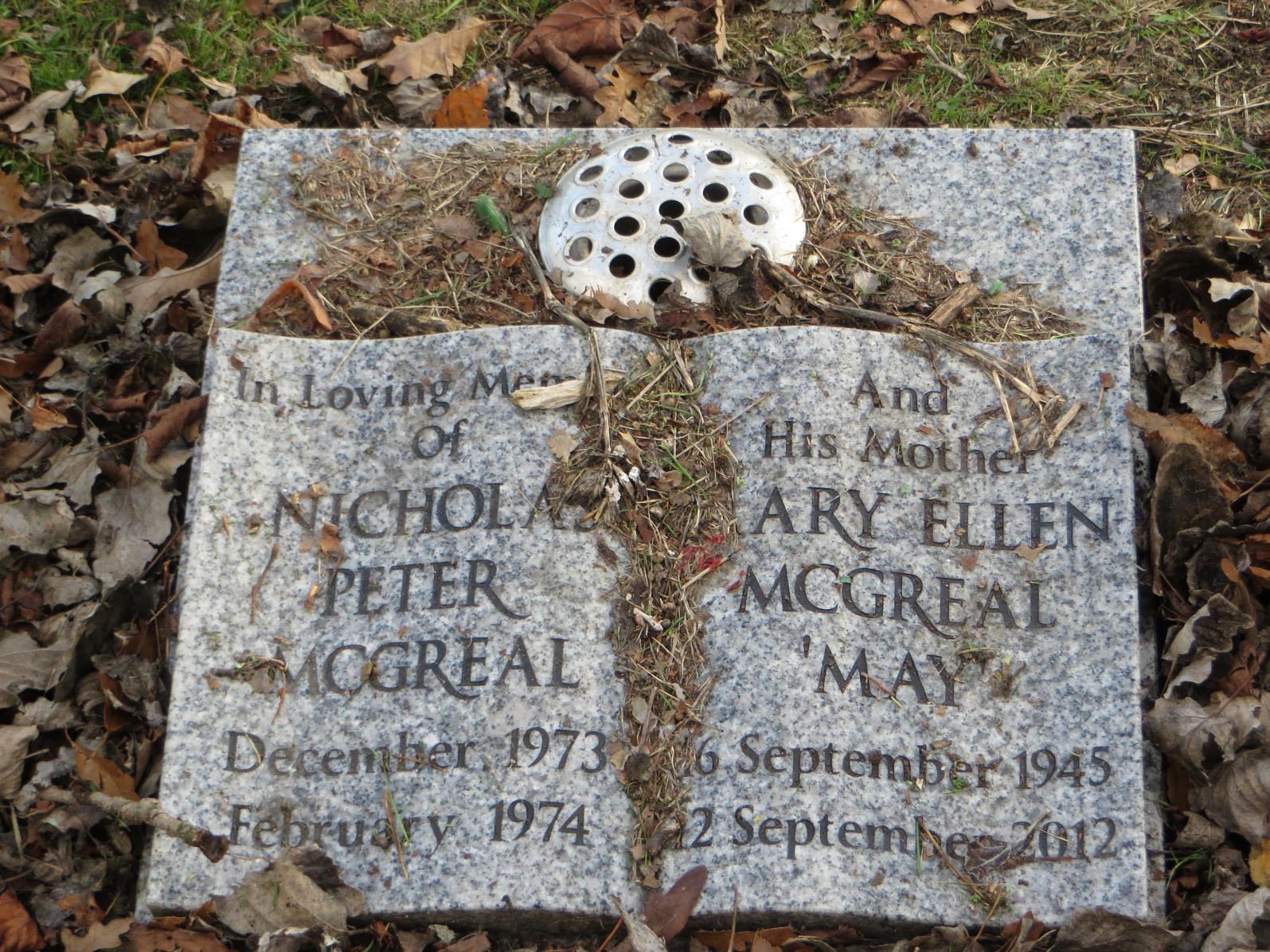
For example, there was one with both pages blank which could indicate that the inscription has worn off or that they were ready to be written for eternity. The latter echoes the well-known phrase ‘he or she can be read like an open book’ and the empty pages can indicate that this is how they want to be judged on the Day of Judgement. This references the quotation from the Book of Revelation 20:11-15:
‘And I saw the dead, small and great, stand before God; and the books were opened: and another book was opened, which is the book of life: and the dead were judged out of those things which were written in the books, according to their works.’ King James Bible
This is also why the open book is also known as the Book of Life as it contains everything that the deceased has done throughout their life and for which they will now be accountable. Christ is often depicted carrying a book. J C Cooper also sees it as the Book of Life and adds that it can also represent
‘….learning and the spirit of wisdom, revelation and …wisdom.’
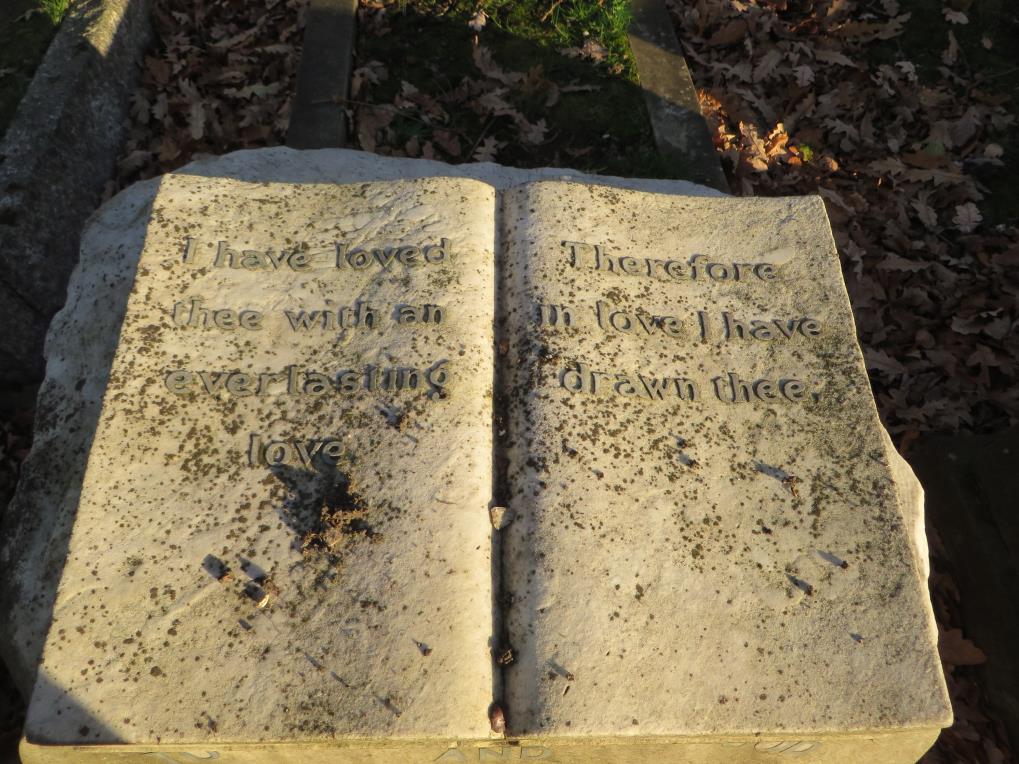
©Carole Tyrrell
‘The LORD hath appeared of old unto me, saying, Yea, I have loved thee with an everlasting love: therefore with loving kindness have I drawn thee.’ Jeremiah 31.3 King James Bible
This makes the symbol almost resemble a Bible. Other suggestions are that it can indicate the grave of a writer, publisher or even more obviously a clergyman.
It can also suggest that a chapter of life has ended or closed and a variant is the closed book. I found this one in West Norwood cemetery and it clearly indicates a life that has ended with the final chapter now written.

So the open book has made me think about how my book of life would look on my last resting place. I’m determined to make sure that it’s a good read for any passing visitor.
©Text and photos Carole Tyrrell unless otherwise indicated.
References:
An illustrated Encyclopaedia of Traditional Symbols, J C Cooper, Thames & Hudson, 1978
Stories in Stone, a field guide to Cemetery Symbolism and Iconography, Douglas Keister,
Gibbs Smith, 2004
http://biblehub.com/search/jeremiah/31-3.htm
https://www.biblegateway.com/passage/?search=Revelation%2020:11-15
http://biblehub.com/search/jeremiah/31-3.htm
http://www.thecemeteryclub.com/symbols.html
https://stoneletters.com/blog/gravestone-symbols
https://www.thoughtco.com/photo-gallery-of-cemetery-symbolism-4123061
 shadows fly away